
AFFILIATE MARKETING • CONTENT STRATEGY • PASSIVE INCOME
How to create high-converting affiliate content that attracts ready-to-buy customers, builds trust, and continues generating commissions long after publication.
Most affiliate marketers believe they need more content to make more money.
More blog posts. More social media updates. More videos. More promotional links.
But what if the real opportunity isn’t publishing more content? What if it’s creating the right content for people who are already thinking about buying?
Imagine publishing a helpful article today that answers a customer’s buying question. Months later, someone discovers it through Google, compares the recommended products, clicks your affiliate link, and makes a purchase.
You don’t need to be online when that transaction happens.
That’s the attraction of automated affiliate sales: building useful content that continues helping potential customers while creating opportunities to earn commissions.
And three content formats deserve particular attention: product comparisons, detailed reviews, and evergreen tutorials.
The 80% in this article’s headline represents a practical prioritization principle, not a verified industry-wide sales statistic. These three formats can account for a large share of conversions in a well-optimized affiliate business, but actual results depend on your niche, audience, traffic, products, and execution.
The goal isn’t to guarantee that three formats will produce exactly 80% of your commissions. It’s to help you build a focused, measurable content system that can generate sales without requiring constant promotion.
Why Most Affiliate Content Gets Traffic but Fails to Generate Sales
Getting visitors to a website is not the same as getting customers.
Consider two search queries:
“How does email marketing work?”
“Best email marketing software for small businesses.”
The first person probably wants information. The second may be actively researching a purchase.
Both visitors are valuable, but their immediate intentions are different.
This distinction is called search intent, and understanding it is one of the most important skills in successful affiliate marketing.
Content that answers buying questions can connect with customers when they’re closer to making a decision.
An effective passive marketing strategy therefore does more than attract views. It creates a path from an audience’s problem to a trustworthy recommendation.
Search intent
Useful content
Qualified click
Purchase
A simplified affiliate conversion journey. Every stage needs to earn the visitor’s confidence.
The three formats below address different stages of that buying journey.
Content Type #1: Product Comparison Articles — Help Buyers Make Their Decision
A person searching for “Product A vs. Product B” has already narrowed down their options.
They might not know which product to buy, but they’re past the earliest discovery stage.
This makes product comparison articles an especially promising format for high-converting affiliate content.
Why comparison content converts
Comparison articles reduce uncertainty.
Instead of forcing readers to open ten browser tabs and interpret conflicting product descriptions, you organize the information into one understandable decision guide.
For example, someone searching for “Shopify vs. WooCommerce for Beginners” may want answers about setup complexity, ongoing costs, customization, and customer support.
A useful comparison should explain which option is more appropriate for different situations, not simply declare a winner.
The anatomy of an effective comparison article
Example: Email Marketing Platform Comparison
| Factor | Platform A | Platform B |
| Best fit | New creators | Growing stores |
| Setup | Simple onboarding | More configuration |
| Automation | Basic workflows | Advanced workflows |
| Key consideration | Ease of use | Feature depth |
Illustrative comparison only. These are hypothetical platforms, not actual product test results.
Successful comparisons typically include a clear summary of who each product suits, meaningful feature differences, current pricing information, limitations, and an explanation of the criteria used.
For stronger credibility, add screenshots, measurable test results, realistic use cases, and transparent methodology where available.
Google’s review guidance encourages creators to show evidence of experience, discuss competitors, and explain what differentiates recommended products.
Comparison topics with commercial potential
- “Canva Pro vs. Adobe Express: Which Is Better for Small Businesses?”
- “Best Website Builder for Selling Digital Downloads”
- “ConvertKit vs. Mailchimp: Which Email Platform Fits New Creators?”
- “Best Budget Microphones for Beginner YouTubers”
- “Notion vs. Trello for Freelance Project Management”
These topics address specific buying decisions rather than generic interest.
Where to position affiliate recommendations
A comparison article should make the reader’s next step natural.
After explaining a product’s suitability, provide a clear option to visit its official product page through your disclosed affiliate link.
For example:
“Platform A may suit beginners who want a straightforward setup without spending weeks learning complex software. Explore its current features and pricing before choosing a plan.”
The recommendation is helpful because it connects a product to a recognizable need.
Conversion insight: A comparison article doesn’t always need to recommend the product with the highest commission. It should recommend the product that best fits the reader’s circumstances. That is how an affiliate website builds credibility and encourages repeat visits.
Content Type #2: In-Depth Product Reviews — Turn Research Into Purchase Confidence
Product reviews are among the most familiar forms of affiliate marketing content.
Unfortunately, many reviews are little more than rewritten sales pages.
They repeat manufacturer claims, list attractive features, and encourage visitors to buy without addressing the difficult questions that actually matter.
A genuinely useful review takes a different approach.
It helps the reader understand what owning or using a product may be like, including benefits, limitations, costs, and practical trade-offs.
Why detailed product reviews work
When customers search for a review, they often want reassurance before committing their money.
Their underlying question is simple:
“Will this product actually solve my problem?”
An effective review gives them enough evidence to make a confident decision, whether that means purchasing the product or deciding against it.
For example, a review of an AI writing tool should examine more than its advertised features.
It could explore whether the software produces usable drafts, how much editing remains necessary, whether the interface is understandable, and what restrictions exist across subscription levels.
These details are much more valuable than repeating promises about saving time.
A high-converting product review structure
Quick verdict
Explain who the product is best for, its most important strengths, and its principal limitations.
Testing and evidence
Show how you evaluated the product. Include original screenshots, photographs, measured outcomes, or documented research, accurately distinguishing firsthand testing from secondary information.
Advantages and drawbacks
Explain both sides, including meaningful weaknesses that might disqualify the product for some readers.
Price and overall value
Discuss ongoing costs, subscription terms, feature limitations, and potential alternatives.
Recommendation by user type
Identify who should consider the product, who should avoid it, and what readers should confirm before buying.
Example: Reviewing a digital product creation tool
Suppose your affiliate website focuses on helping people create and sell digital downloads.
An article titled “Is Canva Pro Worth It for Digital Product Sellers?” could explore practical considerations such as template customization, licensing restrictions, collaboration features, export options, and ongoing subscription value.
You could also demonstrate a workflow for creating a printable planner or social media template.
That demonstration may help readers determine whether the software suits their intended product and business model.
An important distinction: explain any relevant commercial-use licensing conditions without suggesting that paid access automatically grants unrestricted resale rights.
Avoid the biggest mistake in affiliate reviews
Do not pretend you tested something when you haven’t.
If your article is based on public specifications, demonstrations, documentation, or other users’ feedback, explain that clearly.
A transparent, research-based review is more useful than a fabricated firsthand experience.
Google specifically advises reviewers to use evidence, original research, and meaningful comparisons rather than merely restating product descriptions.
Conversion insight: A review that helps the wrong customer avoid a purchase can improve long-term trust. The objective is not to maximize every individual click; it is to become a source readers are comfortable returning to.
Content Type #3: Evergreen Tutorials and Resource Guides — Create a Long-Term Affiliate Sales System
Imagine that someone wants to start an online store.
They may not yet be searching for a particular website builder, email platform, or design application.
But they already have a problem those tools could help solve.
This is where evergreen tutorials become powerful.
Unlike content focused on a single announcement or temporary trend, evergreen tutorials address recurring needs.
A useful tutorial might remain relevant for months or years, provided the publisher updates it when instructions, products, or conditions change.
Why tutorials can generate recurring affiliate opportunities
Tutorials capture people at the moment they’re trying to achieve something.
A visitor searching for “How to Create and Sell Printable Planners” wants guidance, not necessarily a list of products.
However, the process may naturally involve tools for designing, formatting, selling, and delivering digital downloads.
An effective guide shows readers the process first, then recommends tools when they genuinely make a step easier.
The affiliate recommendation becomes a relevant part of the solution rather than an interruption.
Example: A tutorial that supports multiple recommendations
Consider an article titled “How to Launch Your First Digital Product Store.”
The tutorial-to-purchase journey
- Choose a specific digital product and validate customer demand.
- Design a sample product using a suitable creative tool.
- Build a storefront using a platform that fits your budget and requirements.
- Set up secure payments and digital delivery.
- Create product images and accurate descriptions.
- Set up email follow-ups for subscribers who have opted in.
Natural affiliate opportunities
Design software, storefront platforms, email marketing services, and other relevant tools can be introduced at the step where readers need them.
This structure offers several benefits.
Readers receive a complete, useful process even if they purchase nothing. The publisher can introduce relevant products in context. And internal links can guide readers toward more detailed reviews and comparisons.
The tutorial also creates opportunities for returning visits because readers may revisit different steps as their projects progress.
Create tutorials people will want to bookmark
Some promising evergreen affiliate tutorial topics include:
- “How to Start a Blog With a Small Budget”
- “How to Create a Professional Portfolio Website”
- “How to Set Up Email Marketing for an Online Store”
- “How to Launch a Printable Planner Business”
- “How to Record a Podcast From Home”
- “How to Build a Simple Online Course”
- “How to Organize Freelance Projects Using Digital Tools”
The strongest subjects combine an ongoing customer problem, repeatable steps, and a genuine need for complementary products or services.
Conversion insight: Teach the reader how to get a result. Recommend the product only when it contributes meaningfully to that result.
Which of the Three Affiliate Content Types Should You Prioritize?
Each format has a different strategic role.
| Content type | Typical reader intent | Main business opportunity |
|---|---|---|
| Product comparisons | Choosing between options | High purchase relevance |
| Detailed reviews | Evaluating one product | Building purchase confidence |
| Evergreen tutorials | Solving a practical problem | Ongoing discovery and contextual recommendations |
A balanced affiliate website can benefit from all three.
Comparison articles are often appropriate for customers who already know the available options. Product reviews help readers evaluate specific choices. Tutorials attract people earlier in the process and guide them toward suitable solutions.
Together, they create a connected buying journey.
For a new website, a sensible starting approach is to develop one strong tutorial around a core audience problem, publish supporting product reviews, and add comparisons where genuine customer decisions exist.
Internal links then connect the pieces into a useful resource library.
The 80/20 Affiliate Content Strategy: Focus on Pages That Actually Perform
The Pareto principle, often expressed as the 80/20 rule, describes situations where a minority of inputs account for a majority of results.
In affiliate publishing, a relatively small group of strong pages may eventually generate a large share of commissions.
However, there is no universal rule that three content categories automatically produce 80% of sales.
The useful question is:
Which content is creating the greatest value for your audience and producing the strongest measurable business outcomes?
To answer that, track relevant performance indicators.
Example of an affiliate performance analysisIllustrative monthly results, not an industry benchmark or income promise.
| Content | Visits | Sales |
| Comparisons | 1,500 | 30 |
| Reviews | 2,000 | 25 |
| Tutorials | 3,000 | 25 |
| Other articles | 4,000 | 20 |
| Total | 10,500 | 100 |
Illustrative affiliate sales distribution
Sales attributed to four content groups
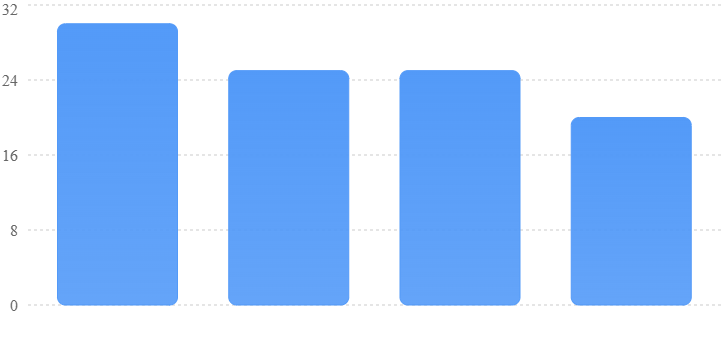
In this fictional example, the three featured content types account for 80 of 100 attributed sales. Real results may differ significantly.
Beyond visitor counts, measure affiliate link clicks, outbound click-through rates, merchant-reported conversions, commissions per page, and revenue per visitor.
Also monitor refund adjustments, affiliate attribution windows, and changes to commission rates.
The objective is to identify which pages deserve improvement and which subjects are worth expanding.
How to Build an Automated Affiliate Sales System Without Constant Promotion
Content becomes a business asset when people can discover it, navigate it, trust it, and take action without requiring the creator’s immediate involvement.
That process involves more than writing and publishing.
Step 1: Choose a niche with recurring purchasing needs
A productive affiliate niche should have an identifiable audience, meaningful problems, and products that address those problems.
Examples include website creation, creator equipment, small-business software, home office setups, hobby supplies, and educational tools.
Avoid choosing a niche solely because its advertised commissions appear attractive.
Consider product quality, customer suitability, audience trust, program reliability, competitive difficulty, and ongoing content opportunities.
Step 2: Build a buyer-intent content map
Rather than collecting random article ideas, organize topics into a connected set.
For a digital-product business niche, the structure might look like this:
Main tutorial
How to Start a Digital Product Business
Comparison
Storefront Platform A vs. B
Review
Design Tool In-Depth Review
Relevant affiliate product pages
Transparent recommendations matched to reader needs
Each article should stand on its own, but helpful internal links allow readers to move naturally between learning, evaluating, and buying.
Step 3: Research keywords according to customer intent
Instead of concentrating only on high-volume keywords, examine how closely each search relates to a realistic customer problem.
Useful query patterns include “best software for beginners,” “product A vs product B,” “is product worth it,” “alternative to product,” and “how to accomplish task using tool.”
Look at the actual search results to understand whether users expect tutorials, comparisons, reviews, videos, or official product pages.
Longer, specific searches sometimes reveal clearer customer needs than broad competitive phrases.
A smaller audience with a relevant problem may be commercially more valuable than a large audience with no immediate reason to buy.
Step 4: Create content that offers something competitors don’t
Search visibility depends on more than keyword placement.
Useful original contributions could include tested workflows, comparison criteria, screenshots, cost scenarios, common mistakes, downloadable checklists, and recommendations for specific types of users.
Google’s people-first guidance emphasizes originality, firsthand knowledge where relevant, and content designed to help readers rather than primarily manipulate rankings.
You can use AI tools to accelerate outlining, editing, and research organization, but verify factual claims and add authentic expertise before publication.
Step 5: Make affiliate links useful rather than intrusive
Good affiliate placements support a reader’s next decision.
Place links after the relevant explanation, use descriptive link text, and make it clear where a link will lead.
A button labeled “View Current Plans on the Official Website” is more informative than an ambiguous “Click Here.”
Do not overload every paragraph with promotional links.
A well-placed recommendation with sufficient context can be more persuasive than repeated demands to purchase.
Step 6: Use email to encourage returning visitors
A visitor may appreciate an article but not be ready to buy.
An optional email newsletter provides a way to continue helping that person.
For a website about digital products, a free resource such as a product-launch checklist could be relevant.
After readers voluntarily subscribe, a useful email sequence might share the checklist, explain common mistakes, introduce a related tutorial, and point subscribers toward appropriate comparison or review content.
Affiliate promotions in emails should follow applicable disclosure and marketing rules, and subscribers should be able to opt out as required.
The objective is to build a relationship, not to repeatedly send sales pitches.
How Much Can High-Converting Affiliate Content Actually Earn?
Affiliate earnings depend on several variables, including organic traffic, click-through rates, merchant conversion rates, product prices, commissions, and returns.
Here’s an interactive calculator for exploring potential monthly commissions using hypothetical inputs.
Affiliate revenue estimator
Adjust each assumption to explore possible outcomes.Monthly page visits
10,000Affiliate link click rate
5%Merchant purchase conversion rate
3%Average commission per sale (USD)
$15
ESTIMATED MONTHLY COMMISSIONS
$225.00
Affiliate clicks
500
Estimated purchases
15
Illustrative gross commission estimate, not a forecast. It excludes costs, refunds, attribution losses, taxes, and changes to affiliate terms. Actual revenue can be zero.
The important lesson is that traffic alone doesn’t determine affiliate income.
Improving content relevance, recommendation quality, and the customer experience can potentially improve results without proportionally increasing visitors.
How to Turn New Visitors Into Returning Readers
A successful affiliate website shouldn’t depend on a visitor making a purchase during their first session.
Some customers research for days, compare several options, and return after reconsidering their budget or requirements.
Your content should accommodate that reality.
One effective approach is to create a sequence of helpful resources that readers can revisit.
For example, someone reading a beginner tutorial on digital product selling could discover a companion software comparison, a pricing worksheet, and a checklist for preparing their first product listing.
Readers benefit from the entire collection, while the website becomes more useful than a single promotional page.
Other practical approaches include maintaining a visible “Updated” date when material changes occur, explaining product changes clearly, providing relevant newsletter updates, and developing a consistent editorial voice.
A returning visitor should expect reliable information, not simply another affiliate offer.
Common Mistakes That Prevent Affiliate Content From Converting
Even well-written articles can underperform when they overlook important details.
Mistake 1: Promoting products before understanding the audience. A recommendation is less persuasive when it doesn’t address a specific need.
Mistake 2: Publishing generic AI-generated reviews. Rewritten specifications without original analysis or transparent evidence provide little reason for readers to trust the article.
Mistake 3: Ignoring mobile visitors. Difficult navigation, tiny tables, slow-loading pages, and intrusive promotional elements can interrupt the buying journey.
Mistake 4: Failing to update old information. Outdated prices, discontinued products, broken links, and changed features undermine confidence.
Mistake 5: Choosing products solely by commission rate. Poorly matched recommendations may damage credibility and generate refunds or dissatisfied customers.
Mistake 6: Expecting immediate passive income. Search discovery, audience development, and testing often require sustained effort, and no content format guarantees sales.
Mistake 7: Ignoring disclosure requirements. Readers deserve to understand when a publisher might earn money from a recommendation.
Preventing these mistakes is part of building a business designed to last.
A Practical 30-Day Plan for Your First Affiliate Content System
30-Day Affiliate Publishing Checklist
Track the foundational work as you create your first connected content cluster.
0 of 5 completed
0%
Days 1–7
Choose a niche, research actual buyer questions, assess affiliate programs, and plan your first three articles.
Days 8–14
Publish one original product comparison, with clear evaluation criteria and a transparent affiliate disclosure.
Days 15–21
Publish one detailed review, supported by appropriate evidence, and link it to the comparison.
Days 22–26
Publish a useful evergreen tutorial and connect all three articles using relevant internal links.
Days 27–30
Test mobile usability, verify disclosures and links, configure performance tracking, and plan future updates.
Copy checklist
Thirty days can be enough to establish a foundational publishing system, but not necessarily enough to achieve search rankings, commissions, or predictable income.
Use the period to build quality assets and develop repeatable working habits rather than to chase an arbitrary revenue target.
How to Make Your Affiliate Content Easier to Discover in Search and AI Answers
People find buying advice through traditional search engines, product research websites, video platforms, and AI-powered answer experiences.
The strongest content is useful regardless of where discovery happens.
That means answering important questions directly, using clear headings, providing understandable comparisons, and documenting the evidence behind recommendations.
For product-focused content, make essential information easy to identify: who a product suits, its limitations, how it compares to alternatives, and when the information was checked.
Use descriptive page titles, clean site navigation, relevant internal links, and accurate image descriptions.
Where applicable, properly implemented Article, BlogPosting, or supported product-review structured data can help search engines interpret page information. Structured data does not guarantee rich results, citations in AI-generated answers, or higher rankings.
For Google Discover, use genuinely representative, high-quality article imagery rather than exaggerated clickbait. Google’s documentation recommends large images at least 1,200 pixels wide and appropriate large-image preview settings.
Maintain a fast, readable mobile experience and make important content accessible without excessive interruptions.
A descriptive featured image and a strong headline can encourage discovery, but readers stay when the article fulfills its promise.
Five Frequently Asked Questions About Automated Affiliate Sales
1. What type of affiliate content converts best?
Product comparisons, detailed reviews, and practical tutorials are strong candidates because they address specific customer questions. Comparisons and reviews often target readers closer to a buying decision, while tutorials can attract visitors earlier and introduce relevant products. The best-performing format varies by audience, niche, and offer.
2. Can affiliate marketing really generate income while you sleep?
Yes, an established website or other content channel can receive clicks and generate attributed commissions when its owner is offline. However, traffic and purchases are not guaranteed. Products, links, content, disclosures, and marketing systems still require maintenance, making affiliate income better described as potentially semi-passive.
3. How many articles do beginners need before making affiliate sales?
There is no minimum article count that guarantees commissions. A small collection of highly relevant, credible resources can outperform a much larger collection of generic posts. Beginners should prioritize focused topics, realistic search opportunities, and measurable improvements rather than publishing volume alone.
4. Do I need expensive software to create automated affiliate sales?
No. A basic website or suitable publishing platform, simple analytics, and access to an appropriate affiliate program can be sufficient to begin. Paid keyword research, email automation, and content tools may become useful as your needs grow, but they are not prerequisites for every beginner.
5. How long does it take to earn passive affiliate income?
There is no reliable universal timeline. Some creators may earn commissions through an existing audience relatively quickly, while new websites may take many months to attract consistent organic traffic. Others may never become profitable. Product demand, trust, competition, content usefulness, and distribution all affect outcomes.
Compliance Note: Responsible Affiliate Marketing and Earnings Transparency
Affiliate publishers should follow applicable advertising, consumer-protection, privacy, email marketing, and affiliate program rules in every market they serve.
Clearly disclose material financial relationships whenever recommending products for compensation. In the United States, the Federal Trade Commission advises that affiliate disclosures must be clear, conspicuous, and placed close enough to the relevant recommendation that readers understand the connection.
Federal Trade Commission
A suitable disclosure could read:
Example affiliate disclosure
“This article contains affiliate links. If you purchase through these links, we may earn a commission. Our recommendations are based on our stated evaluation criteria.”
Copy disclosure
Use accurate disclosures appropriate to your actual business arrangements. Do not claim independent testing, personal experience, guaranteed savings, verified earnings, or specific performance results without supporting evidence.
For paid links, follow search-engine guidance on appropriate link attributes, including rel="sponsored" where applicable. Respect intellectual property rights and licensing conditions for photographs, screenshots, icons, and other creative materials. The simple interface icons accompanying this article use Lucide-style open-source iconography; publishers should verify the applicable licenses for any exported or substituted assets.
Affiliate income examples, conversion figures, and projected commissions are educational illustrations, not promises or typical earnings claims. Sales may be affected by traffic fluctuations, cookies, attribution rules, refunds, product availability, and changes to affiliate programs.
No content strategy guarantees inclusion in Google Discover, prominent search rankings, AI-generated answers, or consistent affiliate revenue.
Build Content That Keeps Working After You Publish
Successful affiliate marketing isn’t about placing more promotional links across the internet.
It’s about helping people solve problems and make better purchasing decisions.
Product comparisons help readers choose between alternatives. Detailed reviews build confidence through useful evidence and balanced judgments. Evergreen tutorials help people accomplish meaningful tasks and discover relevant tools along the way.
When these three formats work together, they can create a connected content library that attracts visitors, supports purchases, and encourages people to return.
Start with one customer problem. Publish the most useful resource you can create around it. Connect that resource to honest, relevant recommendations. Measure how readers respond, improve what underperforms, and keep important information current.
Your next affiliate commission might come from an article you publish today. But the greater opportunity is building a resource that readers will still find valuable tomorrow, next month, and beyond.
Stay ahead with exclusive updates
Join our community. Get curated industry trends, actionable guides, and fresh resources delivered straight to your inbox.