Packaging Viral Hooks and Scripts Into a High-Demand Digital Product
How to turn the first three seconds of Instagram Reels, TikTok videos, and YouTube Shorts into a practical digital product that helps creators attract attention, improve audience retention, and create more engaging content.
Every day, talented creators publish valuable videos that barely get noticed. They spend hours researching topics, recording footage, editing transitions, and selecting music. Yet viewers often scroll away before the creator delivers the first useful idea.
The problem isn’t always the quality of the content. Sometimes, it’s how the content begins.
Consider two opening lines for a productivity video.
Opening A: “Hello everyone! Today, I’m going to share some productivity tips.”
Opening B: “Your to-do list might be the reason you’re getting less done.”
Both videos could deliver exactly the same advice. But the second opening introduces a specific problem, creates curiosity, and gives viewers a reason to continue watching.
That small difference creates a compelling business opportunity.
Instead of selling generic social media advice, entrepreneurs and digital product creators can package attention-grabbing opening lines, short-form video scripts, curiosity-driven storytelling structures, and niche-specific content frameworks into downloadable products.
A carefully designed collection of 50 viral hook formulas for Instagram Reels, TikTok, and YouTube Shorts can be especially useful to educational creators, lifestyle influencers, coaches, small businesses, and aspiring content professionals.
More importantly, a hook library is a product that can be created without expensive software, physical inventory, or complicated production processes.
This guide explains how to research strong opening techniques, create a professional hook bank, package it into an attractive digital product, find potential buyers, make a first-sale attempt within 24 hours, and build a repeatable business around short-form content creation.
Why the First Three Seconds Matter More Than Ever
Short-form video feeds place an enormous amount of content within easy reach of viewers. If an opening feels repetitive, confusing, or irrelevant, people can simply swipe to the next video.
The first few seconds serve as a promise. They tell viewers what they will discover, why the topic matters, and whether the video deserves their attention.
TikTok’s creative guidance recommends introducing a video’s proposition early, using an engaging opening and a clear narrative. Its guidance for advertisers specifically emphasizes the first three to six seconds.
TikTok For Business
YouTube also provides Shorts analytics such as Stayed to watch, Engaged views, and Average percentage viewed, helping creators understand how people respond to their videos.
YouTube Help
+1
These recommendations point toward an important principle: an effective hook should capture attention quickly, but the rest of the video must fulfill the promise.
A strong hook cannot rescue every weak video. However, it can make valuable content easier for the right audience to discover and appreciate.
What Is a Viral Hook, and Why Would Someone Pay for One?
A viral hook is an opening phrase, question, statement, demonstration, or visual technique designed to capture immediate interest.
It doesn’t guarantee that a video will go viral. Rather, it gives the video a recognizable reason to watch.
Effective hooks often use psychological and storytelling techniques such as:
- Curiosity about an unanswered question.
- Recognition of a familiar frustration.
- Surprise that challenges expectations.
- A specific, desirable outcome.
- A visible transformation or demonstration.
- A meaningful mistake viewers want to avoid.
The business value comes from helping creators use these techniques without starting every script from a blank page.
Imagine a lifestyle creator preparing five videos each week. Writing original, engaging opening lines for every video can become exhausting.
A well-organized hook bank could provide five or ten relevant opening ideas for each video topic, along with instructions for adapting them to the creator’s voice.
The customer is not purchasing a collection of ordinary sentences. They are purchasing creative direction, saved planning time, and a repeatable content-writing workflow.
Why Niche-Specific Hook Banks Can Become Attractive Digital Products
Generic collections of “1,000 viral hooks” may appear impressive, but quantity alone isn’t a competitive advantage.
A creator who teaches personal finance needs a different communication style from someone posting skincare routines.
Similarly, a fitness instructor explaining exercise technique needs different opening structures from a travel creator recommending weekend destinations.
A niche-specific product solves this problem by matching hook formulas to real audience interests.
| Audience | Common content challenge | Useful hook-bank concept |
|---|---|---|
| Educational creators | Making complex ideas interesting | Curiosity and explanation hooks |
| Lifestyle influencers | Keeping everyday content engaging | Relatable storytelling hooks |
| Fitness coaches | Explaining benefits quickly | Mistake and demonstration hooks |
| Beauty creators | Standing out in tutorials | Transformation and comparison hooks |
| Productivity creators | Making familiar advice feel useful | Problem and solution hooks |
| Business educators | Turning expertise into content | Authority and insight hooks |
For a new digital product seller, educational and lifestyle creators are sensible starting niches because they regularly publish instructional, personal, and recommendation-based content.
The goal is to make a targeted product that buyers can use immediately.
50 Viral Hook Formulas for Reels, TikTok, and YouTube Shorts
The following original, adaptable templates can serve as the starting content for a commercial hook library. Replace the words in brackets with details relevant to the creator’s niche.
Category 1: Curiosity Hooks
Designed to encourage viewers to discover an answer or explanation.
- “Nobody explained this part of [topic] to me.”
- “There’s one detail about [topic] most beginners overlook.”
- “What happens when you stop [common habit]?”
- “I tested [popular method], and here’s what surprised me.”
- “Before you try [activity], understand this one thing.”
- “The most interesting part of [topic] isn’t what you’d expect.”
- “Why does [common problem] keep happening?”
- “Here’s what changed when I approached [task] differently.”
- “This small detail completely changed how I understand [topic].”
- “Can [unusual approach] actually make [task] easier?”
Category 2: Problem-Solution Hooks
Useful for instructional content, tutorials, and practical advice.
- “Struggling with [problem]? Try this adjustment.”
- “If [task] feels harder than it should, check this first.”
- “Here’s a simpler way to handle [common challenge].”
- “You don’t need [expensive solution] to start [activity].”
- “The reason your [method] isn’t working may be surprisingly simple.”
- “Three ways to make [difficult process] less stressful.”
- “Stop making this common mistake when [activity].”
- “If I had to relearn [skill], I’d begin here.”
- “Here’s how to improve [specific outcome] without [unwanted task].”
- “One small change can make [routine] much easier to manage.”
Category 3: Educational and Authority Hooks
Best for teachers, professionals, coaches, and knowledge-focused creators.
- “Here’s how I explain [complex concept] to beginners.”
- “Most introductory guides skip this part of [subject].”
- “Let’s break down [difficult topic] in 30 seconds.”
- “The first principle to understand about [subject] is this.”
- “Here’s a practical example of how [concept] works.”
- “I used to misunderstand [topic] until I learned this.”
- “Three questions to ask before choosing [tool or approach].”
- “This is how [process] works behind the scenes.”
- “Here’s the difference between [concept A] and [concept B].”
- “If you’re learning [skill], practice this before anything else.”
Category 4: Lifestyle and Personal Story Hooks
Designed for relatable experiences, routines, and personal recommendations.
- “A small change in my morning routine made this easier.”
- “Come with me while I try [new experience].”
- “Here’s what a realistic day of [activity] looks like.”
- “I didn’t realize how much [habit] affected my routine.”
- “Things I wish I’d known before starting [lifestyle change].”
- “My favorite low-effort way to improve [daily task].”
- “Here’s what I’d do differently if I started again.”
- “One habit I stopped doing, and why.”
- “The unexpected lesson I learned from [experience].”
- “Let’s compare the expectation and reality of [activity].”
Category 5: Buyer-Intent and Conversion Hooks
Useful for creators promoting relevant products, recommendations, or educational resources.
- “Before you buy [product], compare these three features.”
- “Here’s who [product or tool] is actually useful for.”
- “Is [paid solution] worth it for beginners?”
- “The difference between a basic and premium [product].”
- “Here’s what to check before spending money on [category].”
- “I created a simple resource for people struggling with [problem].”
- “If you’re choosing between [option A] and [option B], start here.”
- “Here’s a practical way to decide whether [solution] fits your needs.”
- “You can try this free approach before paying for [tool].”
- “Here’s exactly what’s included in my [digital resource] and who it helps.”
These formulas are templates, not validated winning scripts. Their effectiveness depends on relevance, delivery, visuals, audience expectations, and testing.
The next step is transforming them into a product buyers consider worth purchasing.
How to Package Your 50 Hooks Into a Professional Digital Product
A plain document containing fifty sentences may be useful, but it doesn’t communicate much additional value.
A commercially appealing hook bank should help buyers select, customize, record, and test their opening lines.
Build a simple product structure
A practical starter product can include five elements.
The Hook Formula Library
Organize the 50 templates by audience intent: education, lifestyle, curiosity, problem-solving, and product recommendations.
A Customization Worksheet
Add editable fields for the content topic, viewer problem, desired result, hook formula, and final opening line.
Ready-to-Record Scripts
Include short script demonstrations showing how a hook naturally transitions into the main video.
A Video Retention Checklist
Help creators evaluate the opening frame, spoken hook, on-screen text, pacing, and consistency between the promise and the content.
A Seven-Day Testing Tracker
Let customers record the hooks they used, their video topics, and any useful performance data.
For example, a productivity creator using Formula 12 could turn it into:
“Does planning your week feel harder than doing the actual work? Try planning only your three highest-priority tasks first.”
The accompanying script could explain the process in 20–30 seconds.
That turns a generic template into something much closer to a finished creative tool.
The Best Tools for Creating and Selling a Viral Hook Bank
You don’t need an expensive production setup.
A combination of familiar tools can support product creation, delivery, and marketing.
| Tool | Best use |
|---|---|
| Canva | PDF layout, worksheet design, product mockups |
| Google Docs | Writing and organizing hook formulas |
| Notion | Searchable hook databases and planning systems |
| Google Sheets | Hook testing and performance tracking |
| CapCut | Creating video demonstrations |
| Gumroad | Hosting and selling digital downloads |
| Payhip | Digital storefront and file delivery |
Choose one primary product format initially. A PDF is easy to distribute, while a Notion or spreadsheet edition can be useful to buyers who prefer filtering, searching, and tracking their scripts.
A sensible starter package might include a PDF plus an editable spreadsheet.
How to Price a Hook Library Without Undervaluing It
A new seller doesn’t need to launch with a large premium bundle.
A lower-priced, focused offer is often easier to explain to a creator who hasn’t purchased from the seller before.
ILLUSTRATIVE PRODUCT PRICING
Starter
$7
50 hook templates + PDF
Creator Kit
$15
Hooks + scripts + tracker
Pro Bundle
$29
Multiple niches + updates
Suggested test prices, not verified market averages. Adjust based on product usefulness, audience, fees, and customer feedback.
For your first launch, consider a focused $7 offer that explains exactly what the buyer receives.
Rather than marketing it as a secret method for guaranteed viral growth, position it as an affordable shortcut to stronger, better-organized video openings.
The promise should be specific and credible:
“Write your next short-form video opening faster with 50 adaptable hook formulas and ready-to-use examples.”
That is a more trustworthy selling proposition than promising a million views.
How to Make Your First Sale Within 24 Hours: A Practical Launch Strategy
Creating the product is only half the opportunity. The next challenge is discovering people who need it and explaining its value in a way that encourages them to act.
The following approach uses a simple principle: demonstrate a useful improvement before asking someone to buy.
A sale within 24 hours is possible, but cannot be guaranteed. This is a structured first-sale experiment rather than a promise of immediate revenue.
Hours 1–3: Research 10 micro-influencers in one niche
Choose one group of potential customers, such as educational creators with audiences ranging from approximately 1,000 to 25,000 followers.
Look for accounts that publish regularly but appear to have opportunities to improve their openings.
Review several recent videos rather than judging an account by a single low-view post.
Notice whether their videos begin with long greetings, unclear explanations, slow introductions, or generic statements.
For example, an educational creator may start a video by saying:
“Hi friends, welcome back. Today we’re going to talk about how to study more effectively.”
A more focused alternative might be:
“Studying longer isn’t always the answer. Here’s how to make your next session more focused.”
The second opening identifies a specific issue and points toward a useful solution.
However, don’t assume low views prove that the existing hook is bad. Topic relevance, distribution, production, and audience size can all affect performance.
Hours 3–6: Create your first 50-hook product
Organize the formulas into five categories and provide one or two niche-specific examples under each.
Add a short introduction, a customization worksheet, and a few sample scripts.
A simple structure could look like this:
The 50-Hook Creator Bank
A practical digital download for educational and lifestyle videos
50
Editable opening formulas
5
Hook categories
10
Example mini-scripts
1
Testing worksheet
For this starter product, prioritize clarity over decorative design. Buyers should be able to locate a suitable hook and begin adapting it in less than a minute.
Hours 6–8: Set up a simple digital storefront
Upload the product to your preferred digital marketplace and create a clear sales page.
Your product listing should explain who the resource is designed for, what it contains, how it works, and what the customer receives immediately after purchase.
A suitable product description could be:
50 Short-Form Video Hooks for Reels, TikTok & Shorts
Stop starting every video from a blank page.
Get 50 adaptable opening formulas designed for educational and lifestyle creators who want to make their first few seconds clearer, more engaging, and easier to write.
Inside the download:
- 50 organized video hook formulas
- 10 ready-to-customize mini-scripts
- A simple hook-writing worksheet
- A creator-friendly performance tracker
- Practical examples for short-form content
Launch price: $7
Start planning your next video with a stronger opening.
Get the Hook Bank Today
Results depend on your content, audience, execution, and testing. Viral reach and sales are not guaranteed.
Use original previews showing three to five sample hooks. The product description should accurately represent the downloadable files.
Hours 8–12: Offer personalized hook improvements
Return to your list of ten potential buyers and identify a relevant recent video for each creator.
Prepare one alternative opening line that fits their topic and communication style.
For example:
Original video opening:
“Today I’ll share five helpful tips about organizing a small apartment.”
Suggested opening:
“Your apartment might not need more storage. It might need a better system.”
A personalized suggestion provides a concrete example of what the product helps customers accomplish.
You can send a short, respectful message through a permitted contact channel.
Hi! I came across your video about [topic] and liked the way you explained [specific detail].
I had an idea for an alternative opening that might be worth testing:
“[Personalized hook]”
I create hook templates for educational and lifestyle creators, and I’ve put together a small library of 50 adaptable formulas.
It’s available for $7 if you’d find it useful. Happy to share a sample first.
Either way, I hope the opening idea helps with your next video!
Do not present this as a guaranteed performance improvement. The rewrite is a hypothesis the creator can test.
Personalize every outreach message, respect platform rules, avoid repeated unwanted contact, and stop messaging anyone who declines.
Hours 12–18: Publish demonstration content
Create a short video comparing two script openings for the same topic.
The video itself can be a marketing demonstration.
For example:
First 3 seconds: “Here’s why some useful videos lose attention before the lesson even begins.”
Next 5 seconds: Show a vague opening next to a specific, benefit-driven opening.
Next 10 seconds: Explain how specificity and curiosity help communicate the video’s purpose.
Closing: “I organized 50 adaptable hook formulas into a creator toolkit. You can find the sample in my profile.”
Publish relevant versions to Instagram Reels, TikTok, or YouTube Shorts, adapting them to each platform’s features and rules.
This promotional format has two advantages: it gives viewers an immediate takeaway, and it demonstrates the problem the product addresses.
Hours 18–24: Follow up appropriately and review results
If a creator expressed interest or requested a sample, respond with the relevant resource and purchase link.
Avoid repeatedly contacting people who haven’t replied.
Review visits, sample requests, product page clicks, and completed purchases.
A simple launch tracking table can reveal which messages or demonstrations attracted interest.
| Measurement | Example target |
|---|---|
| Relevant creators researched | 10 |
| Personalized outreach messages | Up to 10 |
| Free hook samples prepared | 10 |
| Demonstration videos | 1–2 |
| First-sale objective | 1 purchase |
| Suggested starter price | $7 |
These numbers are planning targets, not expected conversion rates.
Even without an immediate sale, the experiment can produce useful feedback about product positioning, buyer interest, and the types of hook formulas people want.
How to Measure Whether a Hook Actually Works
A viral-sounding opening isn’t necessarily an effective opening.
The only useful way to evaluate a hook is to observe how actual viewers respond.
Focus on metrics that explain viewer behavior rather than relying exclusively on total views.
1. Stayed-to-watch rate
For YouTube Shorts, the Stayed to watch metric represents the proportion of viewers who watched instead of swiping away. It can help creators evaluate their initial ability to capture attention.
YouTube Help
2. Average view duration
This metric provides insight into how long people watched.
A promising hook paired with a weak middle section may still result in limited viewing duration.
3. Audience retention
Retention reports help creators identify moments when viewers stop watching.
YouTube’s audience-retention guidance recommends examining specific points where people continue watching or drop off.
YouTube Help
4. Saves, shares, and meaningful comments
These interactions can provide useful additional context about how audiences respond.
A creator whose video teaches a practical technique may value saves and shares because they suggest that viewers found the content useful or worth revisiting.
5. Profile visits and conversions
For creators using videos to promote digital products, the final objective may involve qualified visitors and purchases rather than maximum reach.
Track how many people move from a video to a product page, free download, or email subscription.
An illustrative hook-testing experiment
Imagine a creator testing two openings across comparable videos.
Illustrative stayed-to-watch comparison
Hypothetical results only; not measured platform data.
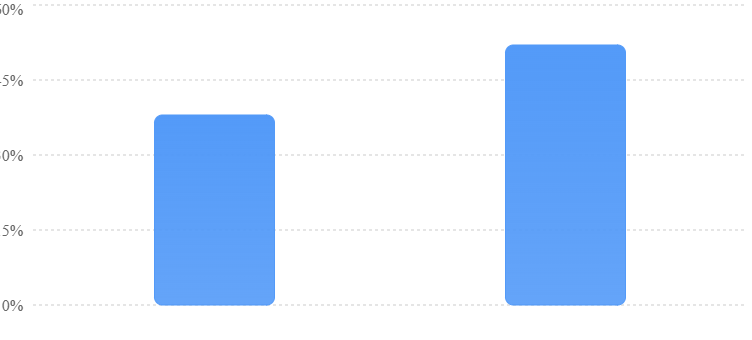
In this hypothetical example, the second opening produces a higher stayed-to-watch rate.
However, those results alone do not establish causation. Differences in topic, audience, posting time, visual presentation, and distribution may also influence performance.
Creators should test multiple hooks across comparable content and review results over time.
Turn Generic Hook Templates Into Niche-Specific Script Products
Once the first product is complete, expansion becomes easier.
The key is to create specialized versions based on distinct customer needs rather than repeatedly repackaging identical content.
Educational creator hook bank
Focus on difficult concepts, study techniques, language learning, professional skills, and step-by-step tutorials.
Example:
“Before you memorize another formula, understand what it actually represents.”
Lifestyle creator hook bank
Focus on routines, home organization, relatable habits, personal experiences, and practical product comparisons.
Example:
“My morning routine became simpler when I stopped doing these three things.”
Fitness creator hook bank
Focus on proper technique, training fundamentals, realistic habits, and common mistakes.
Example:
“If this exercise feels uncomfortable, check your starting position.”
Avoid unsupported promises about physical transformations or health outcomes.
Small-business creator hook bank
Focus on useful business lessons, customer questions, operational improvements, and product demonstrations.
Example:
“Before choosing an online store platform, compare these three costs.”
Creator monetization hook bank
Focus on digital product education, affiliate disclosures, content systems, and building small online businesses.
Example:
“Before launching your first digital download, answer this customer question.”
This approach opens possibilities for a broader digital product catalog, including script templates, content calendars, storytelling worksheets, and creator planning systems.
How to Write a Complete 30-Second Video Script From One Hook
The opening line is only one part of a successful short video.
A useful script must maintain continuity between the initial promise and the information delivered afterward.
A simple structure works well for many educational and lifestyle topics.
The 30-second script framework
- 0–3 seconds: HookIntroduce a relevant problem, benefit, or curiosity.
- 3–8 seconds: ContextExplain why the topic matters.
- 8–23 seconds: ValueDemonstrate the method, answer, or practical lesson.
- 23–30 seconds: Resolution and CTAComplete the idea and suggest a relevant next action.
For example, a personal productivity video could follow this script:
Hook: “Your daily task list might be making you less productive.”
Context: “When everything looks equally important, it’s harder to decide what to start.”
Value: “Choose three priority tasks, put the hardest one first, and keep the rest on a separate list. Review your progress at the end of the day.”
Resolution: “Try this approach tomorrow and see whether planning feels easier.”
Notice that the script delivers the answer promised by its opening.
The purpose of a hook is not to trick viewers into watching. It is to make useful content immediately understandable and appealing.
Build a Digital Product That Keeps Selling Beyond Launch Day
The biggest advantage of a downloadable hook bank is repeatability.
Once the product is created, it can be delivered automatically through a digital storefront.
However, automated delivery should not be confused with guaranteed passive income.
Marketing, customer support, product updates, and competition still require attention.
To create a more sustainable business, focus on a simple content-to-customer system.
Short-form content sales funnel
Helpful short videoDemonstrate a hook improvement
Free hook sampleShow practical value before asking for a sale
Paid 50-hook toolkitOffer the organized resource and bonuses
Returning customersDeliver useful updates and relevant niche editions
A simple free sample could contain five educational hooks and five lifestyle hooks.
At the end of the sample, invite readers to explore the complete collection.
If customers find it useful, they may later purchase more specialized products or recommend it to other creators.
How to Turn New Visitors Into Returning Readers and Buyers
Selling one $7 product is a starting point. Building an audience of people who trust your expertise creates a stronger foundation.
A visitor who discovers an article about viral hooks may have several related questions:
How do I plan a month of content? How do I write better captions? How do I improve video retention? How do I create content that generates inquiries or sales?
Each question creates an opportunity for another useful article, free resource, or digital product.
One effective strategy is to develop a recurring educational series, such as The Short-Form Script Lab.
Each installment could examine one commonly used opening structure, demonstrate how to adapt it, and discuss what creators should measure.
Possible follow-up articles include “How to Write Better Instagram Reel Hooks,” “Why Viewers Swipe Away From Educational Shorts,” and “How to Create 30 Short-Form Video Scripts Without Repeating Yourself.”
Invite visitors to subscribe to a weekly creator newsletter featuring practical exercises, current examples, and new script templates.
Returning readers need a reason to revisit the website. Consistent usefulness matters more than artificial urgency.
You can also create internal links between related tutorials and your product pages, helping readers naturally move from learning about a problem to exploring a relevant solution.
How to Attract Google Search, AI Search, and Discover Traffic
A blog article about viral hooks can serve both informational and commercial audiences.
Some readers want to learn how better openings work. Others are actively searching for downloadable hook templates, script packs, and ready-to-use content resources.
A well-written article should help both groups without becoming an advertisement.
Match the reader’s search intent
Someone searching for “viral hooks for Reels” likely wants practical examples.
Someone searching for “50 video hook templates PDF” may be closer to buying.
Someone searching for “how to improve YouTube Shorts retention” is probably looking for explanations, metrics, and experimentation methods.
The best content connects these related interests through a useful learning experience.
This article naturally addresses short-form video hooks, Instagram Reels hook examples, TikTok script formulas, YouTube Shorts retention, digital product creation, creator monetization, and social media content planning.
More specific questions about selling hook templates online, creating educational video scripts, and building a short-form content toolkit can bring qualified visitors with clearer needs.
The objective is not to repeat phrases excessively. It is to answer the questions a real customer would ask before using or purchasing the resource.
Structure content for answer engines and AI-assisted discovery
For AI-powered search experiences, clear definitions, descriptive headings, practical examples, and factually grounded explanations make information easier to interpret.
Define a viral hook in ordinary language. Explain what a hook bank contains. Include examples that readers can adapt. State the limitations of performance predictions.
Maintain visible publication and update dates, a credible author profile, and transparent descriptions of how recommendations are developed.
Structured data can help search engines understand page details, but it does not guarantee a featured result, inclusion in an AI answer, or high rankings.
Google for Developers
Optimize for Google Discover without relying on sensational headlines
Google Discover can introduce content to readers who weren’t actively searching for that topic.
However, Discover distribution is not assured, and no keyword technique guarantees visibility.
Google recommends compelling, relevant imagery and describes image specifications that include at least 1,200 pixels in width, high resolution, and support for large image previews.
Google for Developers
For this article, an original featured image could visually depict a creator recording a short video beside clean script cards illustrating alternative hook structures.
An appropriate editorial image size would be 1600 × 900 pixels, with a descriptive filename such as short-form-video-hook-scripts-guide.webp.
Use concise alt text describing the actual visual content, rather than repeating keywords.
Avoid presenting exaggerated claims like “Guaranteed Viral in Three Seconds” as established facts.
A representative image, helpful article, and clear headline are more sustainable than misleading clickbait.
Use trends as research signals, not as a substitute for expertise
Creators can explore seasonal interests and rising search topics through tools such as Google Trends and TikTok Creative Center.
A growing interest in short-form educational content, creator workflows, or editing techniques may help inform future articles and product updates.
But trending search interest does not automatically mean that customers will purchase a related resource.
Validate the demand through audience conversations, free sample downloads, and actual buyer behavior.
Five Frequently Asked Questions About Selling Viral Hook Templates
1. Can beginners make money selling viral hook templates?
Yes, beginners can create and sell original hook-template collections, even without a large social media following. The important factors are understanding a specific audience, creating useful and adaptable templates, and reaching potential customers through relevant channels. Earnings depend on demand, product quality, pricing, and marketing. No first sale or particular income level is guaranteed.
2. How many viral hooks should I include in my first digital product?
Fifty well-organized hooks are a practical starting point. A collection divided into five categories of ten formulas can be easier to use than hundreds of repetitive sentences. Add niche-specific examples, customization instructions, and a testing worksheet to make the product more valuable.
3. What is the best place to sell Instagram Reels and TikTok hook templates?
Digital marketplaces such as Gumroad and Payhip can be suitable starting points for selling downloadable PDFs, script packs, and editable templates. Sellers should compare current fees, payment availability, delivery features, and applicable regional requirements. A dedicated website may become useful as the product catalog grows.
4. Can changing the first three seconds really improve video retention?
Changing an opening can improve retention when the new hook communicates a more relevant or compelling reason to watch. However, results are not automatic. The video topic, delivery, pacing, audience, and remaining content also matter. Creators should test different openings and evaluate relevant analytics instead of assuming that a popular formula will work in every situation.
5. How do I turn a one-time hook bank purchase into recurring revenue?
Build related resources that solve additional problems for the same customers. Examples include niche-specific script collections, monthly hook updates, seasonal content planners, and editable video-storytelling templates. Optional memberships or subscriptions can create recurring income when customers receive genuine ongoing value, understand the billing terms, and can cancel according to the stated policy.
Your First Product Doesn’t Need to Be Complicated. It Needs to Be Useful.
The creator economy offers numerous opportunities, but the most approachable digital products often solve a narrow, recognizable problem.
For short-form creators, writing engaging openings is one of those problems.
A thoughtfully created bank of 50 hook formulas can help customers organize ideas, reduce repetitive scriptwriting, and experiment with clearer video openings.
The opportunity becomes more interesting when the seller combines those formulas with niche-specific examples, a simple script framework, editable templates, and guidance on evaluating results.
Start with one audience. Create one focused product. Offer genuinely helpful demonstrations. Listen to customer feedback and improve the resource as you learn.
You don’t need to invent a revolutionary technology or launch a complicated business.
You need to make a recurring creative task easier for a group of people who value that improvement.
The first sale may take a day, a week, or longer. What matters is creating something worth buying and building a repeatable process for reaching the right customers.
If you’re ready to begin, choose either educational or lifestyle creators, customize the 50 formulas in this guide, and turn them into your first downloadable hook toolkit.
Your next digital product could begin with a single opening line.
Compliance Note: Responsible Marketing, Creator Rights, and Digital Product Sales
This article is intended for educational and general business-information purposes. The examples, prices, timelines, and sales strategies are illustrative and do not constitute earnings guarantees, financial advice, or professional legal advice.
Performance and earnings claims: No hook, script, marketing strategy, digital product, or sales approach can guarantee viral reach, audience retention, algorithmic preference, a first sale within 24 hours, or recurring income. Sellers should avoid unsupported performance claims and clearly distinguish hypothetical examples from verified results.
Originality and intellectual property: Create original hook examples, scripts, layouts, and worksheets. General writing structures may be commonly used, but sellers should not copy protected scripts, proprietary paid collections, course materials, or distinctive creative assets without appropriate rights or licenses. Commercial-use and resale permissions should be explained accurately. Original writing reduces duplication risk but cannot establish absolute freedom from all third-party rights claims.
Platform rules: Follow the current content, promotional, messaging, music, and commercial policies of Instagram, TikTok, YouTube, and any selling marketplace. Avoid engagement manipulation, artificial activity, impersonation, and misleading content.
Truthful creator outreach: Personalize messages and avoid unsolicited bulk messaging. Do not claim to have improved another creator’s retention without actual testing and permission to represent their results. Respect privacy, contact preferences, and applicable marketing laws.
Advertising disclosures: Clearly disclose sponsorships, affiliate relationships, free products, paid testimonials, and other material commercial connections when required by applicable law and platform policy.
Consumer protection: Describe the downloadable files accurately, communicate prices and refund terms, fulfill purchases as advertised, and follow applicable digital goods, tax, privacy, and consumer-protection requirements. Recurring subscriptions must have transparent billing and cancellation conditions.
AI-assisted creation: AI can help brainstorm scripts and organize content, but outputs should be reviewed for originality, relevance, accuracy, discriminatory wording, and misleading claims before publication or resale.
SEO and Google Discover: Search visibility depends on multiple factors outside the publisher’s control. Keywords, structured data, high-resolution images, and content updates may improve presentation and discoverability, but they do not guarantee rankings, Google Discover placement, AI citations, or traffic.
Publishing Details
For publication, the recommended SEO title is How to Create and Sell Viral Hook Templates for Reels and Shorts, with the URL slug /sell-viral-hook-templates/.
A suitable meta description is:
“Learn how to create 50 viral hook formulas for Reels, TikTok, and Shorts, package them into a digital product, and launch your first creator offer.”
Use Packaging Viral Hooks and Scripts Into a High-Demand Digital Product as the visible article headline.
The article fits naturally into content categories covering digital products, creator economy, Instagram Reels marketing, TikTok growth strategies, YouTube Shorts, video scripting, and online business ideas. These topical labels can also guide site tags and internal links without adding repetitive keyword sections to the reader-facing page.
For publication, implement valid BlogPosting or Article structured data with the actual headline, author, publication date, modified date where applicable, canonical URL, and representative image URL. Include a matching og:image, descriptive image alt text, and a large-image preview directive where appropriate. These details should reflect the real published page.
The article can also serve as an evergreen resource that is periodically updated with new creative examples, verified platform guidance, and relevant changes in short-form video analytics. That gives both first-time visitors and returning readers a genuine reason to revisit it.
Stay ahead with exclusive updates
Join our community. Get curated industry trends, actionable guides, and fresh resources delivered straight to your inbox.