
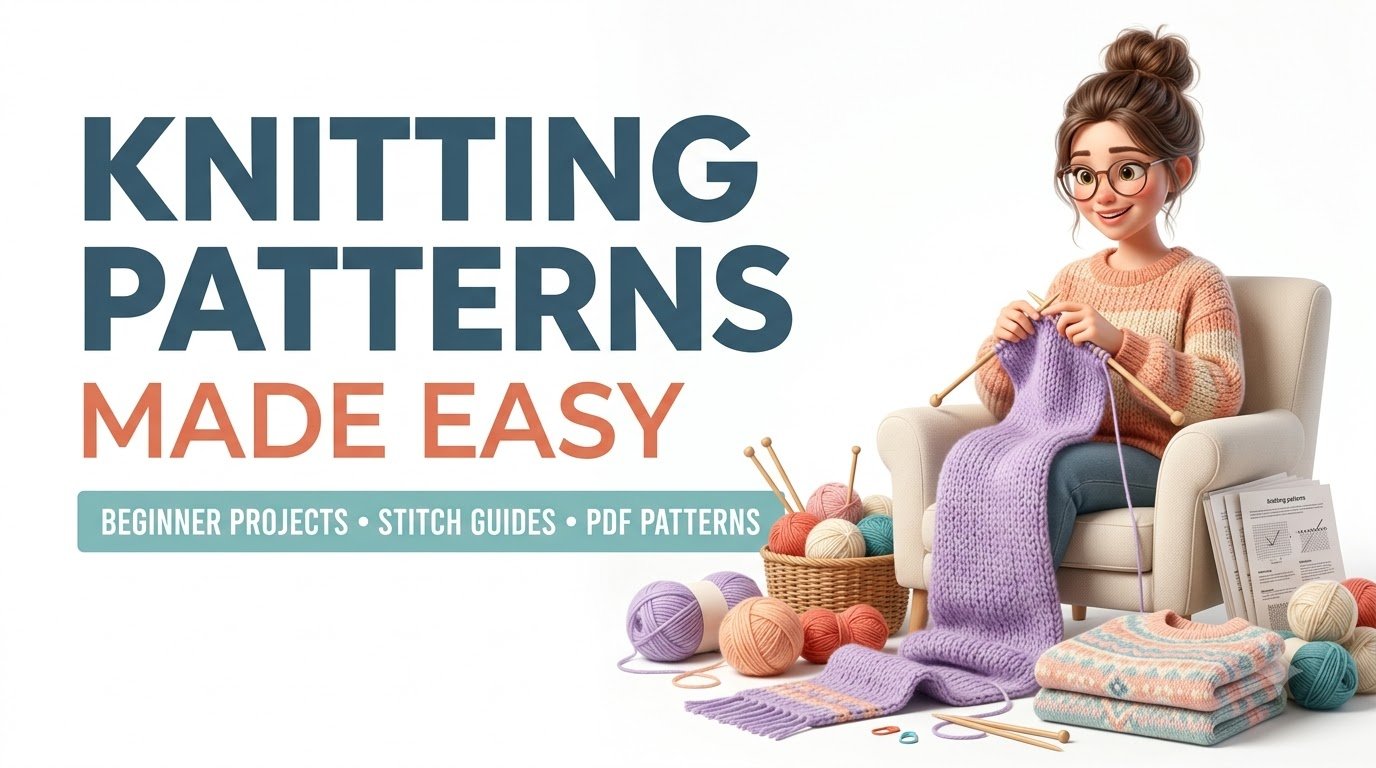
Discover easy knitting patterns for beginners, simple scarves, stitch tutorials, yarn tips, free project ideas, and printable knitting pattern PDF guides.
Knitting Patterns Made Easy: Turn a Ball of Yarn Into Something Beautiful
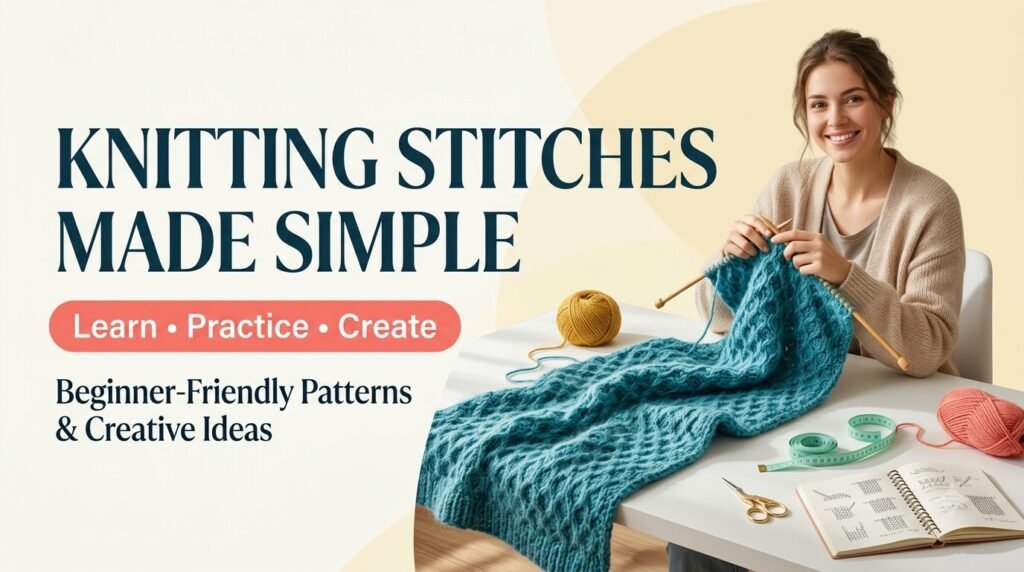
Discover easy knitting patterns, practical stitch tutorials, smart yarn choices, and inspiring handmade projects. Whether you are holding knitting needles for the first time or rediscovering a favorite hobby, your next creation begins here.
Try the Free Scarf Pattern Explore Pattern IdeasThere is something wonderfully satisfying about turning a simple strand of yarn into a cozy scarf, a thoughtful handmade gift, or a sweater you actually want to wear. Knitting makes that possible one stitch at a time.
Yet finding the right knitting pattern can be surprisingly frustrating. Some designs expect you to understand mysterious abbreviations. Others look beautiful in photographs but turn out to require complicated shaping, expensive supplies, or techniques you have never learned.
The good news? Your first successful project does not need to be complicated. With clear instructions, suitable yarn, and a realistic starting point, you can build your skills while making something genuinely useful.
This guide explains how knitting patterns work, which projects make sense for different experience levels, how to avoid common mistakes, and what to look for before downloading or purchasing a knitting pattern PDF.
What Is a Knitting Pattern?
A knitting pattern is a set of instructions explaining how to create a knitted item. It tells you which materials to use, how many stitches to begin with, which techniques to follow, and how to finish the project.
Think of it as a recipe for fabric. Your yarn is the main ingredient, your needles are the tools, and the stitches are the steps that transform those ingredients into something you can use, wear, or give away.
What Should a Good Knitting Pattern Include?
- A clear description and photograph of the finished item.
- An honest difficulty or skill rating.
- Yarn weight, approximate quantity, and needle size.
- Gauge information and finished measurements where needed.
- Step-by-step instructions and stitch abbreviations.
- Finishing, assembly, and care instructions.
- Size options, if the project requires a specific fit.
A premium pattern may additionally offer diagrams, printable charts, video support, size customization, and helpful photographs of difficult sections.
10 Beautiful Knitting Pattern Ideas Worth Trying
The best pattern is not necessarily the most elaborate one. It is the design that matches your skill level, keeps you interested, and produces an item you will enjoy using.
1. Cozy Garter-Stitch Scarf
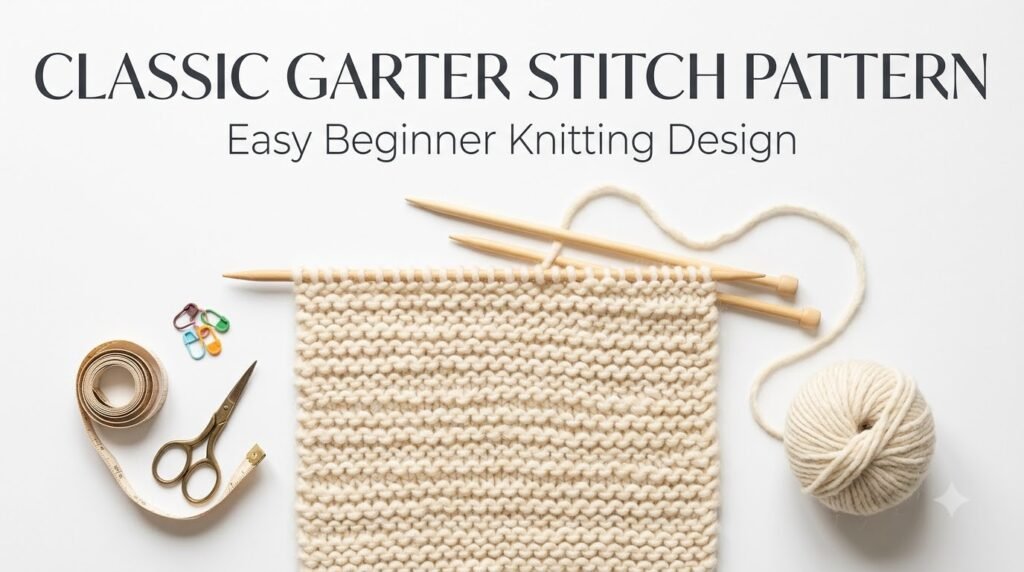
A timeless first project made almost entirely with knit stitches. Ideal for learning consistent tension and building confidence.
Practice: Casting on, knit stitch, binding off.2. Reusable Cotton Dishcloth
Small, affordable, and practical. A simple dishcloth is a fantastic way to experiment without committing to a large project.
Practice: Stitch counting, texture and neat edges.3. Simple Ribbed Headband
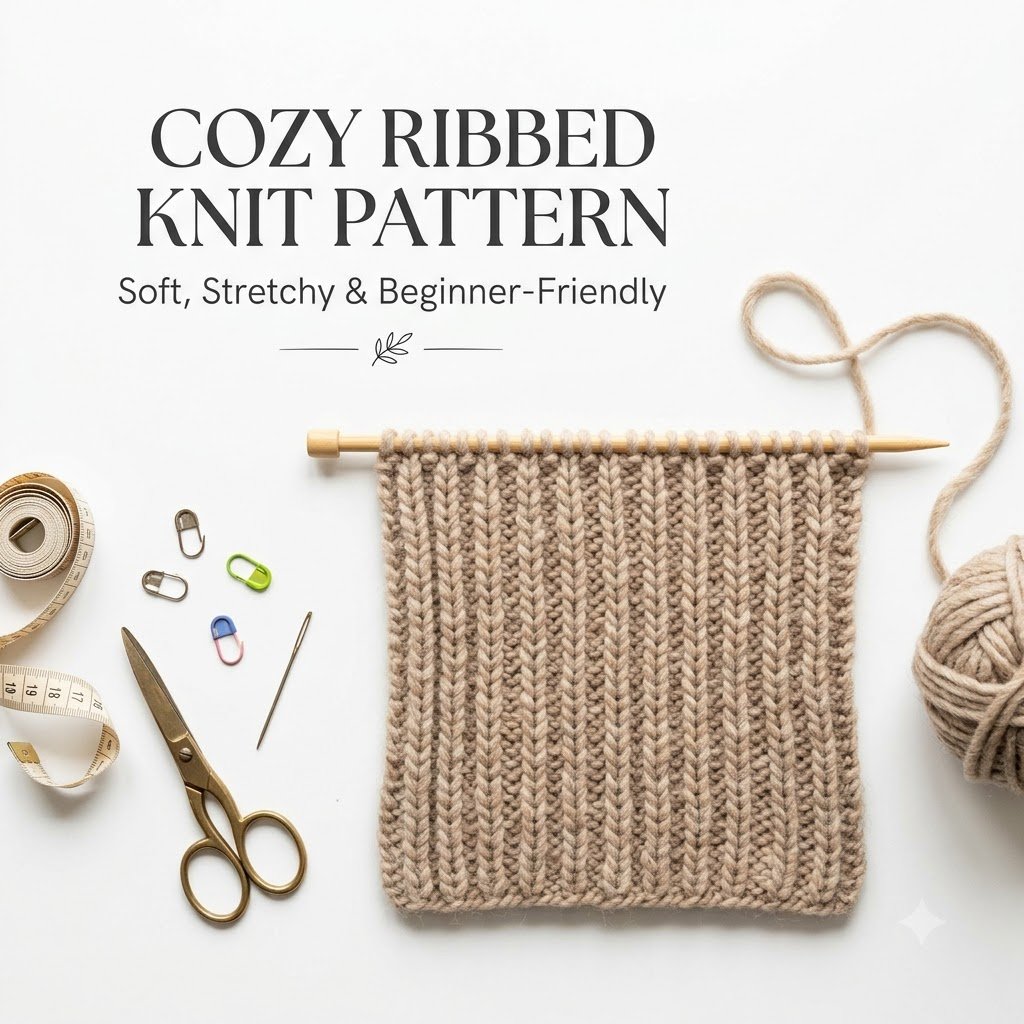
A quick accessory that introduces stretchy texture. A flat knitted strip can be joined at the ends.
Practice: Knit and purl combinations, seaming.4. Chunky Knit Cowl
A cozy neck accessory that works well with thicker yarn and can be knitted flat or in the round.
Practice: Stitch patterns, finishing, optional circular knitting.5. Classic Beanie Hat
A rewarding wearable project that introduces fit, shaping, and crown decreases.
Practice: Decreases, measuring and optional circular needles.6. Beginner-Friendly Cardigan
A simple rectangular or panel-based cardigan can be a manageable introduction to larger garments.
Practice: Gauge, joining panels, garment measurements.7. Textured Baby Blanket
A thoughtful handmade gift that allows you to explore alternating stitches and soft textures.
Practice: Repeating stitch patterns and maintaining even edges.8. Cable-Knit Pillow Cover
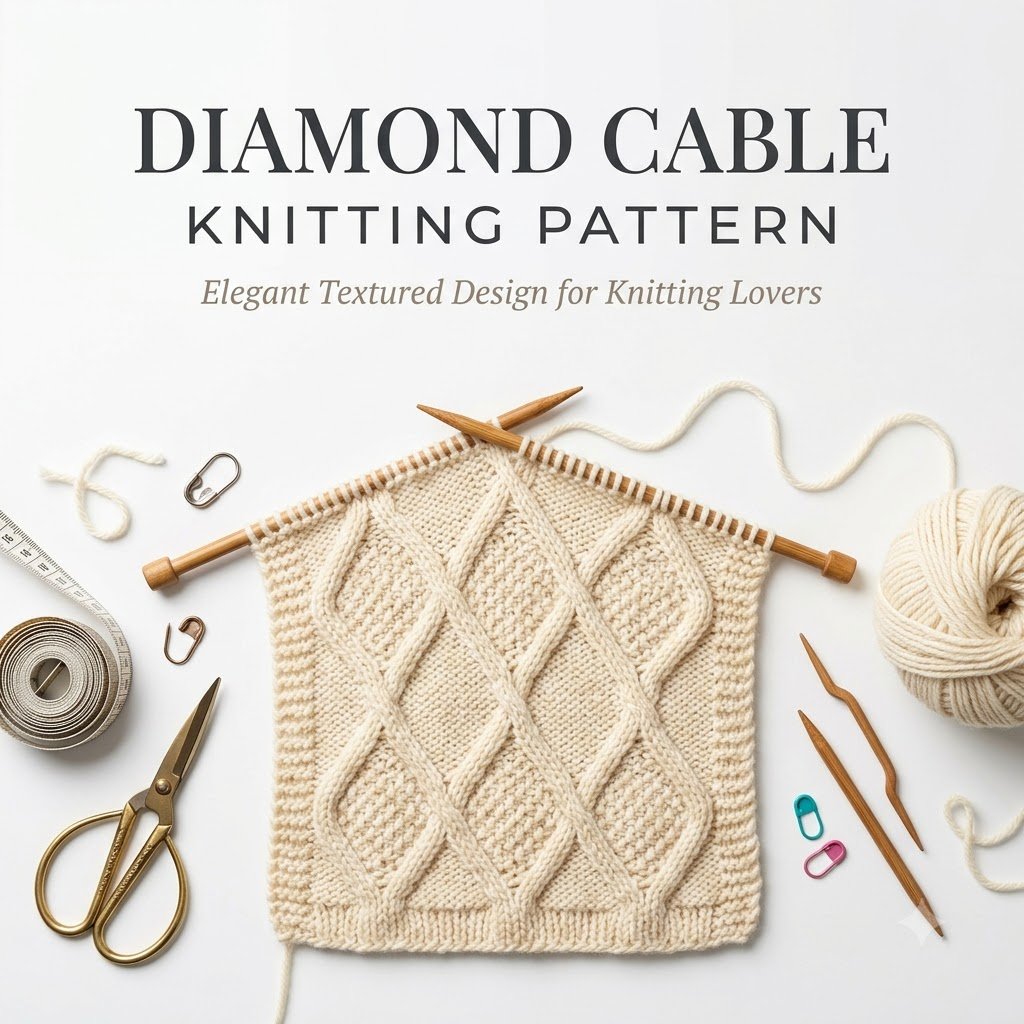
A decorative home project where raised cable details create an elegant, professional appearance.
Practice: Cable stitches, pattern repeats, finishing.9. Lace Shawl
A lightweight project featuring decorative eyelets, carefully placed increases, and openwork designs.
Practice: Yarn overs, decreases and chart reading.10. Colorwork Sweater
A creative garment featuring coordinated colors, motifs, shaping, and precise fit.
Practice: Stranded colorwork, tension control, garment construction.Free Beginner Knitting Pattern: The Everyday Garter-Stitch Scarf
Ready to begin? This original, straightforward scarf exercise is designed for someone comfortable learning the basic knit stitch. You will work back and forth in rows to create a soft, textured rectangle.
- Skill: Beginner
- Construction: Knitted flat
- Yarn: Medium weight (#4/worsted)
- Needles: 5 mm (US 8), or size suited to your tension
- Yarn quantity: Approximately 200–300 yards, depending on finished length and tension
- Finished dimensions: About 6–8 inches wide and 55–65 inches long, depending on gauge and preference
- Other supplies: Scissors, tapestry needle, measuring tape
Step-by-Step Scarf Instructions
- Prepare the yarn. Choose a smooth, light or medium-colored yarn so the stitches are easy to see. Avoid highly textured novelty yarn for your first attempt.
- Cast on 30 stitches. Use the long-tail cast-on or another comfortable beginner method. Your cast-on edge should be secure but not excessively tight.
- Knit the first row. Insert your needle into each stitch, wrap the working yarn, pull a new loop through, and transfer the completed stitch to the right needle.
- Turn your work. Once you reach the end, turn the fabric and knit every stitch on the next row.
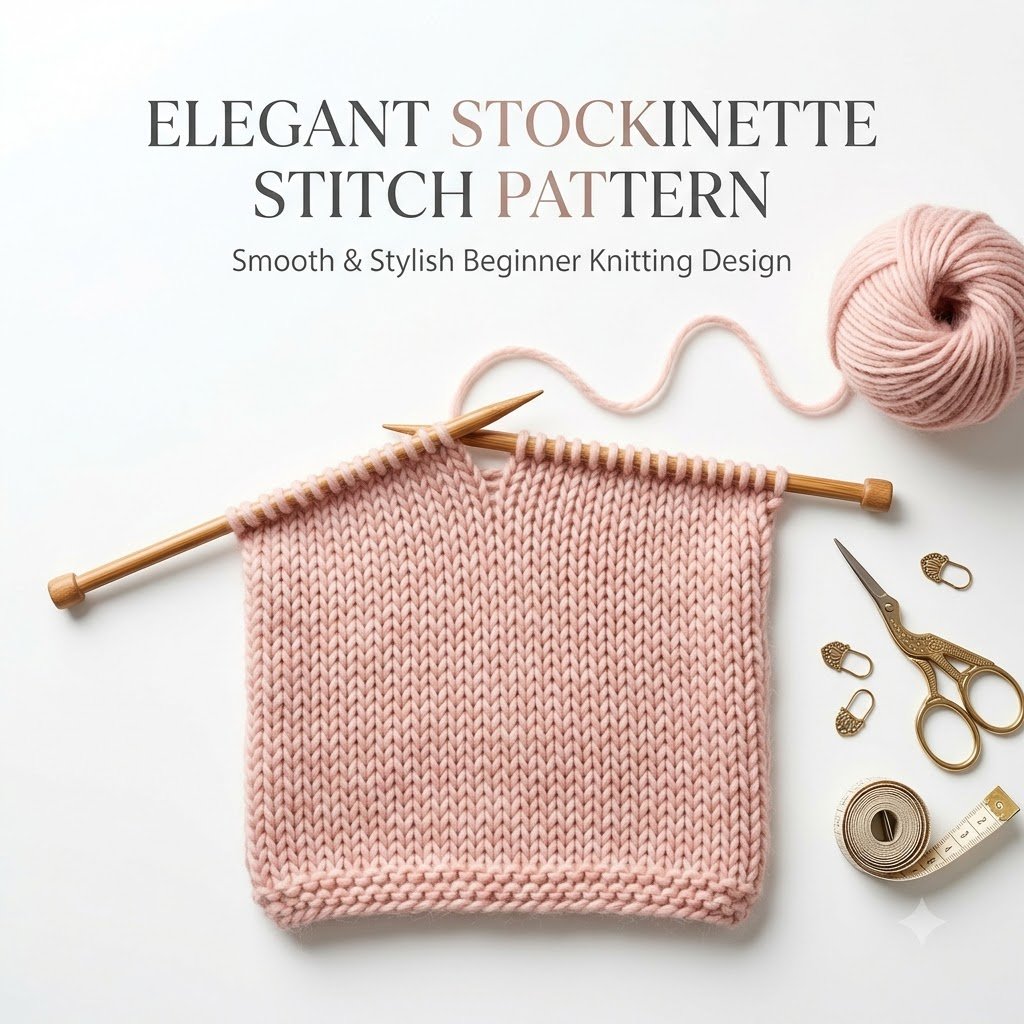
- Repeat each row. Continue knitting every stitch in every row. This creates garter stitch, a textured fabric that lies relatively flat.
- Check the measurements. Measure your project periodically. Your scarf may differ in width from the example, depending on yarn and tension.
- Bind off. When your scarf reaches the desired length, bind off loosely so the finishing edge does not pull inward.
- Finish neatly. Cut the yarn, secure the final loop, and weave in the ends using a tapestry needle. Wash or gently block according to the yarn label.
Cast on 30 stitches.
Every row: Knit all 30 stitches.
Repeat until desired length.
Bind off loosely and weave in ends.
Gauge and dimensions are approximate. The 30-stitch cast-on does not guarantee an exact scarf width.
How to Personalize This Scarf
Once you can knit a straight scarf, experiment with different colors, stripes, lengths, or a wider cast-on. Choose soft washable yarn for everyday use, or a luxurious fiber for a gift-worthy accessory.
For a striped scarf, change to a new color at the beginning of a row and weave in the extra ends carefully. For fringe, cut matching strands, fold them, and attach them securely at both ends if appropriate for the intended wearer.
How to Choose the Best Yarn and Needles
Yarn affects more than the appearance of your project. It influences the fabric’s texture, drape, warmth, elasticity, thickness, and finished size.
Start by checking the yarn weight listed in the pattern. The Craft Yarn Council uses a standardized 0–7 system, from lace to jumbo. Needle recommendations are general guidelines rather than fixed rules.
| Yarn Weight | Typical Uses | Needle Range | Beginner Suitability |
|---|---|---|---|
| Super Fine #1 | Socks, fine accessories | 2.25–3.25 mm | More demanding |
| Light #3 (DK) | Light sweaters, baby garments | 3.75–4.5 mm | Good with practice |
| Medium #4 (Worsted) | Scarves, blankets, hats | 4.5–5.5 mm | Excellent starting choice |
| Bulky #5 | Warm scarves, cozy accessories | 5.5–8 mm | Good for visible stitches |
| Super Bulky #6 | Chunky scarves, home decor | 8–12.75 mm | Fast results, larger tools |
Needle ranges are general Craft Yarn Council guidelines. Always prioritize the pattern gauge and the desired fabric. Reference: Standard Yarn Weight System .
Which Yarn Fiber Should You Choose?
- Acrylic: Often budget-friendly, widely available, and easy to care for when the label permits machine washing.
- Cotton: Useful for dishcloths and warm-weather accessories, with less natural stretch than wool.
- Wool: Warm and elastic, making it appealing for sweaters, hats, and cold-weather items.
- Blended fibers: Can combine desirable qualities such as softness, durability, elasticity, and easier care.
How to Read a Knitting Pattern Without Feeling Confused
Knitting patterns may seem like a secret language at first. The trick is to learn a small collection of common abbreviations and read instructions one row at a time.
| Abbreviation | Meaning | What You Do |
|---|---|---|
| K | Knit | Make a knit stitch |
| P | Purl | Make a purl stitch |
| CO | Cast On | Create starting stitches |
| BO | Bind Off | Finish live stitches |
| RS | Right Side | Public-facing side of fabric |
| WS | Wrong Side | Opposite side of fabric |
| K2tog | Knit Two Together | Decrease by one stitch |
| YO | Yarn Over | Create a loop, commonly an increase and decorative eyelet |
| Rep | Repeat | Work an instruction again |
| St(s) | Stitch(es) | Number of stitches |
Understanding Pattern Repeats
Suppose your pattern says: *K2, P2; repeat from * to end. That means knit two stitches, purl two stitches, then repeat that four-stitch sequence until you reach the end of the row.
Before starting, check whether the designer uses US or UK terminology and whether the instructions include special abbreviations. Read the entire pattern once so you know what techniques and tools are coming.
Why Gauge Matters More Than You Think
Gauge describes how many stitches and rows fit within a measured area, commonly four inches or ten centimeters. It is essential for projects that must fit a specific size.
Imagine a sweater pattern requires 20 stitches across four inches, but your fabric has only 18 stitches in that space. Your finished sweater could be noticeably larger than intended.
Make a swatch using the recommended stitch pattern, wash or block it as the finished item will be treated, and measure the central area. If you have too few stitches per four inches, try smaller needles. If you have too many, try larger needles.
7 Common Knitting Mistakes and How to Fix Them
Almost every knitter has experienced uneven stitches, mysterious extra loops, or edges that do not look quite right. These moments are part of learning, and many problems are easy to prevent.
1. Accidentally Adding Stitches
An unintended yarn over or knitting into the first stitch incorrectly can increase your stitch count. Count stitches regularly and inspect the edges.
2. Losing a Stitch
A dropped stitch can unravel downward. Stop knitting when you notice it and secure the loop before it travels further. A crochet hook can help restore it.
3. Knitting Too Tightly
Extremely tight stitches make the fabric stiff and hard to work. Relax your grip, avoid pulling every stitch excessively, and test a different needle size if necessary.
4. Ignoring Gauge
A beautiful garment pattern cannot compensate for incorrect fabric measurements. Take time to swatch when fit matters.
5. Choosing the Wrong Yarn
A substitute yarn may have the same labeled weight but behave differently because of its fiber, twist, elasticity, and texture. Compare yardage, gauge, and fabric characteristics.
6. Skipping the Pattern Instructions
Read abbreviations, sizing notes, and finishing steps before casting on. Check whether any special technique requires additional practice.
7. Rushing the Finishing Work
Weaving ends securely, making neat seams, and blocking appropriately can improve a project’s appearance and longevity. Finishing deserves just as much care as the knitting itself.
A Simple 7-Day Knitting Practice Plan
You do not need long practice sessions to become more comfortable with knitting. Short, focused sessions can help you develop coordination, recognize stitches, and build confidence.
| Day | Practice Task | Learning Goal |
|---|---|---|
| 1 | Practice casting on | Make a stable foundation |
| 2 | Knit several rows | Control hand movements |
| 3 | Practice purl stitches | Recognize two basic stitches |
| 4 | Alternate knit and purl | Create a simple ribbed swatch |
| 5 | Measure a practice square | Understand gauge |
| 6 | Start a small useful project | Follow written instructions |
| 7 | Bind off and finish | Complete the knitting cycle |
Adjust the schedule to your own pace. A complete beginner might spend multiple days on each task, while someone returning to knitting may move through these exercises quickly.
Free vs. Premium Knitting Patterns: Which Is Better?
Free knitting patterns are wonderful for learning. They allow you to experiment, explore designers, and decide which techniques you enjoy before spending money on instructions.
Paid knitting patterns can also offer genuine value. The difference should be in the usefulness of the instructions, not simply whether a PDF looks attractive.
| Feature | Free Patterns | Premium PDF Patterns |
|---|---|---|
| Cost | Usually free to access | One-time price or bundle cost |
| Instructions | Varies by designer | May include additional detail |
| Printing | May require a browser printout | Often formatted for printing |
| Size options | Varies by pattern | May include more sizes or customization |
| Learning resources | Sometimes provided | May include diagrams and videos |
| License terms | Designer-specific | Designer-specific |
Before Buying a Knitting Pattern PDF, Check These Details
- Does the listing show the finished item clearly?
- Is the difficulty rating appropriate for you?
- Are the yarn and needle requirements disclosed?
- Are the available sizes and measurements explained?
- Is it an instant digital pattern or a finished handmade item?
- Are there verified reviews discussing clarity and accuracy?
- Does the designer explain correction, support, and refund policies?
- What commercial-use rights, if any, are included?
Where Can You Find Knitting Patterns Online?
Knitting patterns are available through independent designers, established yarn manufacturers, craft marketplaces, pattern libraries, and personal knitting websites. Popular places to explore include Ravelry, LoveCrafts, and Etsy.
Compare descriptions, file formats, license terms, reviews, and designer support before purchasing. Marketplace availability, payment methods, and seller policies can change.
What Makes a Knitting Pattern PDF Worth Downloading?
A high-quality printable knitting pattern should make the knitting experience easier, not simply reproduce a long webpage in PDF format.
Features That Make a Difference
- Clear page organization: Materials and instructions are easy to find.
- Printer-friendly layout: The design remains readable without excessive ink consumption.
- Accurate stitch counts: Important rows include enough information to catch mistakes.
- Readable charts: Symbols include a key and can be viewed at a comfortable size.
- Accessible instructions: Text is selectable, and diagrams are supplemented with explanations where possible.
- Mobile usability: The file remains practical to read from a phone or tablet.
- Designer support: Corrections and updates are communicated clearly.
How to Make Your Knitting Projects Look More Professional
Beautiful handmade knitting comes from thoughtful decisions rather than expensive tools alone. Color, texture, consistency, and finishing all contribute to the result.
Choose a Coordinated Color Palette
Soft cream and sage create a relaxed, natural look. Berry and charcoal offer contrast, while lavender and blush work beautifully together for gentle pastel accessories.
Let the Stitch Texture Stand Out
When a pattern features intricate cables or lace, a relatively solid-colored yarn may showcase the details more clearly. Simple stitch patterns can look especially interesting with subtle multicolor yarns.
Measure Instead of Guessing
Take measurements before making fitted accessories or garments. Check your progress during knitting rather than discovering sizing problems after the final stitch.
Create a Knitting Project Journal
Record the pattern name, yarn brand, needle size, gauge, adjustments, and a photo of the finished item. This simple habit is useful when you want to recreate a successful design or understand why a previous attempt turned out differently.
Can Knitting Become a Creative Side Business?
For some makers, knitting grows from a relaxing hobby into a small creative business. Potential offerings include original digital patterns, finished accessories, knitting kits, workshops, or beginner tutorials.
Digital knitting patterns can be especially appealing because one carefully developed design can be offered repeatedly without physically shipping each copy. However, successful sales still require original work, accurate instructions, customer support, marketing, and ongoing updates.
A Practical Path for Aspiring Pattern Designers
- Create a small, original design with a clearly defined audience.
- Record materials, gauge, stitch counts, measurements, and instructions as you knit.
- Ask independent test knitters to check the pattern when practical.
- Correct errors and create an attractive, accessible PDF.
- Set realistic pricing and publish clear digital-product terms.
- Promote the pattern using genuine project photographs and helpful tutorials.
Original patterns may also support a wider collection of seasonal products, themed bundles, and knitting classes. Earnings are never guaranteed and depend on demand, quality, pricing, distribution, and the effort required to reach customers.
Frequently Asked Questions About Knitting Patterns
These quick answers address common questions from people learning to knit or shopping for their next project.
1. What is the easiest knitting pattern for beginners?
A garter-stitch scarf or simple knitted dishcloth is one of the easiest projects. These typically use basic knit stitches, straightforward rows, and minimal shaping.
2. Can I learn knitting without previous experience?
Yes. Start with casting on, the knit stitch, the purl stitch, and binding off. Small projects let you practice each technique before moving to fitted garments or complex designs.
3. What yarn is best for a beginner knitting pattern?
Smooth, medium-weight (#4) yarn in a light or medium color is often a convenient choice. It makes stitches easier to see and works well for scarves, practice swatches, and many simple accessories.
4. Are paid knitting pattern PDFs better than free patterns?
Not necessarily. Quality varies in both categories. Premium patterns may include extra photographs, charts, sizing information, or support, but the instructions should be evaluated individually.
5. Can I sell finished items made from a purchased knitting pattern?
This depends on applicable law, the pattern’s license, contractual terms, and jurisdiction. Buying a PDF does not automatically transfer copyright in the written instructions or images. Review the designer’s terms and seek qualified legal advice when commercial rights are unclear.
Test Your Knitting Knowledge: 5 Quick Flashcards
Give yourself a quick knowledge check. Read each question, think of the answer, then open the card to reveal the explanation.
FLASHCARD 01 What does the abbreviation K mean?
Answer: Knit.
The instruction tells you to make a knit stitch.
FLASHCARD 02 What is garter stitch when working flat?
Answer: Knitting every row.
This produces a textured fabric with raised ridges.
FLASHCARD 03 Why should you make a gauge swatch?
Answer: To check fabric measurements.
Gauge helps you reach the intended finished size.
FLASHCARD 04 What does K2tog mean?
Answer: Knit two stitches together.
This is a common decrease technique.
FLASHCARD 05 Which yarn weight is a common beginner choice?
Answer: Medium #4 (worsted).
Smooth worsted yarn makes stitches easier to inspect.
Your Next Knitting Project Starts With One Stitch
You do not need a shelf full of supplies, years of experience, or a complicated pattern to make something meaningful. One suitable ball of yarn, a pair of needles, and a clear set of instructions are enough to begin.
Start with a manageable project. Learn what your stitches should look like. Pay attention to yarn choice and gauge as your skills improve. Most importantly, enjoy the process of seeing each row add to something you created yourself.
When you finish, photograph your project, record what you learned, and choose one new skill to practice. Over time, those small improvements can lead to beautiful scarves, blankets, garments, and unique handmade gifts.
What is the easiest knitting pattern for beginners?
A garter-stitch scarf or a simple dishcloth is an excellent starting project.
Can I learn knitting without previous experience?
Yes. Begin with casting on, the knit stitch, the purl stitch, and binding off.
What yarn is best for beginner knitting patterns?
Smooth medium-weight #4 yarn is often easy to handle and makes stitches visible.
Are paid knitting pattern PDFs better than free patterns?
Not always. Choose patterns based on clarity, accuracy, instructions, and support.
Can I sell items made from purchased patterns?
Check the designer license, purchase terms, and applicable law before commercial use.
📝 Key Takeaways & Action Notes
Jot down insights, next steps, or thoughts from this post. Your notes save automatically in your browser.
- What is the #1 breakthrough insight you took away today?
- What is one concrete action you will take in the next 24 hours?
- What questions or ideas do you want to research further?
Stay ahead with exclusive updates
Join our community. Get curated industry trends, actionable guides, and fresh resources delivered straight to your inbox.