
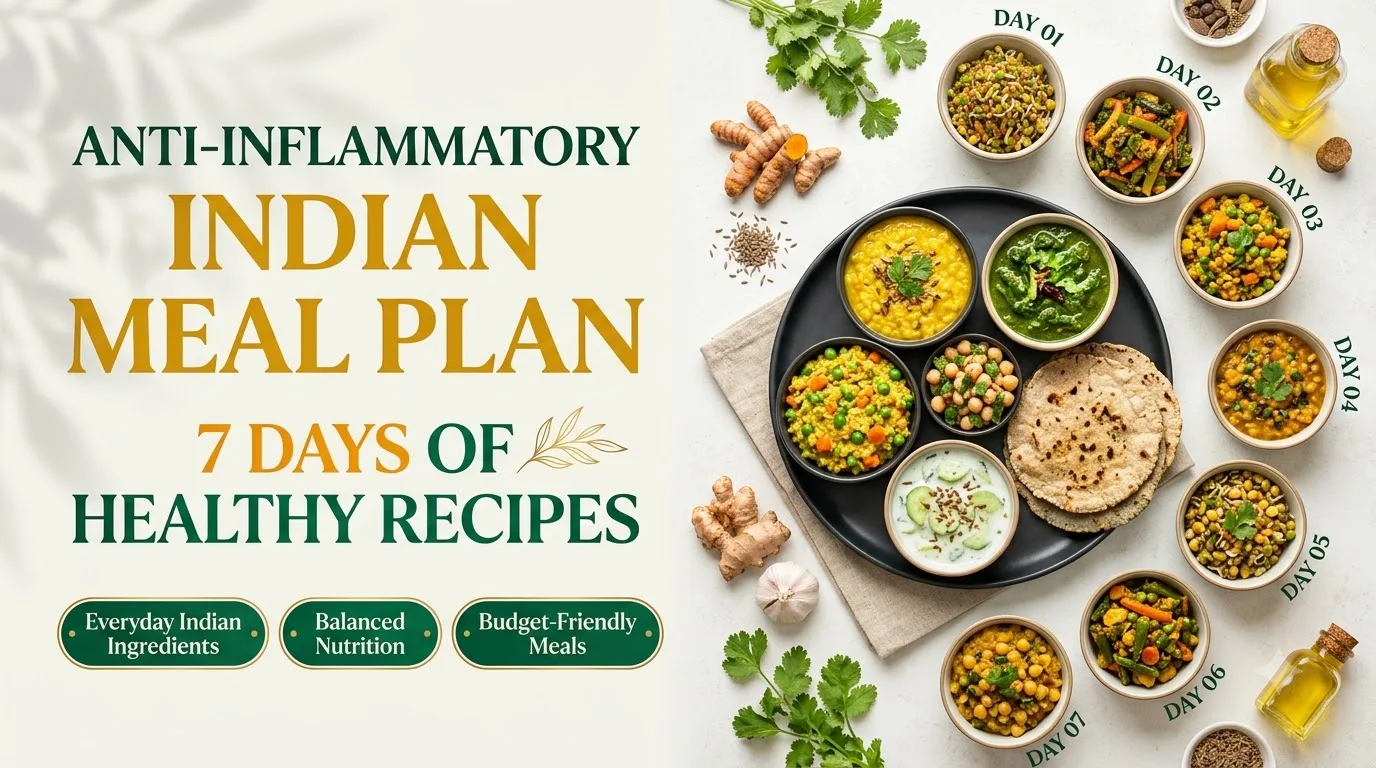
The Anti-Inflammatory Indian Kitchen: Daily Meal Architect
A practical approach to everyday Indian nutrition, combining affordable traditional ingredients, balanced meals, gut-supportive foods and sustainable cooking habits.
Article Summary
The Anti-Inflammatory Indian Kitchen: Daily Meal Architect explores how familiar Indian ingredients can support a more balanced dietary pattern without relying on expensive imported superfoods. It highlights the everyday value of haldi (turmeric), jeera (cumin), millets, lentils, seasonal vegetables, nuts, seeds and suitable cooking oils.
The article explains how to build a practical anti-inflammatory Indian meal plan using fiber-rich foods, varied protein sources, whole grains and thoughtfully prepared meals. It also addresses gut health, weekly meal preparation, healthier cooking methods and common nutrition misconceptions. The emphasis is on consistent dietary quality rather than claims that any single food can cure chronic inflammation.
Article Description
Discover how to turn an ordinary Indian kitchen into a practical daily nutrition system. This guide brings together approachable meal combinations, turmeric- and cumin-flavored preparations, millet and whole-grain choices, protein-rich dal recipes, seasonal produce and gut-conscious food ideas.
Readers learn how to organize a balanced plate, select appropriate cooking fats, reduce frequent reliance on sugary or heavily fried foods, prepare convenient meals and create a flexible weekly shopping routine. With its focus on affordable ingredients, daily recipes and adaptable meal planning, the article is designed for busy households, beginners and anyone interested in eating more nutritiously while continuing to enjoy traditional Indian flavors.
Haldi, jeera, ginger, seasonal vegetables, dal and accessible whole grains.
Practical combinations of vegetables, protein foods, grains and suitable fats.
Fiber diversity, tolerated fermented foods and individually suitable meal choices.
Weekly preparation, smarter grocery choices and easy-to-repeat home-cooked meals.
Evidence and Further Learning
- Harvard T.H. Chan School of Public Health: Research overview of anti-inflammatory dietary patterns, food-group diversity and nutritional limitations. Anti-Inflammatory Diet Review .
- National Institutes of Health, NCCIH: Research and safety information concerning turmeric, curcumin and supplements. Turmeric: Usefulness and Safety .
- Harvard Health Publishing: Guidance on dietary patterns emphasizing vegetables, fruits, legumes, whole grains and unsaturated fats. Anti-Inflammatory Foods Overview .
The Anti-Inflammatory Indian Kitchen: A 7-Day Meal Plan Built From Everyday Ingredients
What if a more nourishing way of eating began with the haldi, jeera, dal, greens and grains already in your kitchen? Explore a practical Indian food framework that supports long-term health, respects your budget and keeps the pleasure of eating intact.
There is something quietly reassuring about the sound of cumin seeds meeting a warm pan. A familiar tadka rises through the kitchen, a pot of dal begins to simmer, and the vegetables waiting in the refrigerator suddenly look like the beginning of a proper meal rather than a chore.
For many Indian families, these ordinary ingredients are also the foundation of a more balanced way of eating. Yet conversations about chronic inflammation can make nutrition feel expensive, confusing and unnecessarily complicated.
We hear about imported berries, specialized powders, strict detox routines and unfamiliar superfoods. Somewhere along the way, it becomes easy to overlook the nutritional value of seasonal vegetables, lentils, whole grains, peanuts, curd and everyday spices.
The Anti-Inflammatory Indian Kitchen takes a different approach. It treats food as a practical daily investment in health, not a miracle treatment. Its mission is to make nutritious meals easier to repeat, easier to afford and enjoyable enough to become part of ordinary life.
Instead of requiring a completely new pantry, this guide shows how to build meals around foods you already understand, with thoughtful choices for Indian households and Indian-food enthusiasts living in the United States.
1. Understanding Inflammation: What Food Can and Cannot Do
Inflammation is part of the body’s normal defense and repair system. When you cut a finger or encounter an infection, inflammatory responses help the immune system react to the problem. That short-term response is important.
Chronic inflammation is different. It involves inflammatory activity that continues longer than appropriate. Certain chronic inflammatory processes are associated with cardiovascular disease, metabolic disorders and other health conditions. Genetics, underlying illnesses, lifestyle and environmental factors can all contribute.
Diet is one influence among many. Research suggests that dietary patterns rich in fiber-containing plant foods, unsaturated fats and minimally processed ingredients can support healthier metabolic outcomes and may reduce some markers of inflammation. However, the degree of benefit varies, and no universal anti-inflammatory diet cures inflammatory disease. [2]
The Three Nutritional Priorities
Increase Plant Diversity
Include different vegetables, legumes, fruits, nuts and seeds across the week. Variety provides fiber, micronutrients and a range of naturally occurring phytochemicals.
Improve Fat Quality
Favor suitable unsaturated plant oils and modest portions of nuts and seeds over frequent meals high in saturated fat, processed meat or deep-fried foods.
Choose Balanced Carbohydrates
Use dal, vegetables, whole grains and sensible portions to build satisfying meals. You do not have to ban rice or every traditional carbohydrate.
This guide therefore focuses on consistent food choices rather than aggressive restrictions, expensive supplements or promises of reversing a diagnosed medical condition.
2. The Indian Pantry: Familiar Ingredients, Smarter Nutrition
The following ingredients deserve a regular place in an Indian kitchen because they can contribute to dietary quality, variety and flavor. Their importance comes from how they fit into the overall diet, not from being medical treatments.
| Ingredient | Nutritional Value | Everyday Use | Practical Perspective |
|---|---|---|---|
| Haldi (turmeric) | Contains curcuminoids studied for anti-inflammatory activity. | Dal, vegetable curries, soups and khichdi. | Culinary amounts are different from concentrated supplements; health benefits from food doses are not established as disease treatments. |
| Jeera (cumin) | Provides flavor and small amounts of plant compounds. | Tadka, roasted-jeera raita and vegetable dishes. | Useful for satisfying lower-salt cooking; specific anti-inflammatory clinical benefits remain uncertain. |
| Millets | Whole-grain options that can provide fiber and minerals. | Ragi dosa, jowar roti, bajra roti and millet bowls. | Nutritional profiles vary; choose appropriate portions and combine with vegetables and protein. |
| Dal and chickpeas | Fiber, plant protein and important micronutrients. | Moong dal, masoor dal, chana and sambar. | Increase legumes gradually if they trigger gas or bloating. |
| Seasonal greens | Vitamins, minerals, fiber and phytochemicals. | Palak dal, methi sabzi and saag. | Rotate vegetables; do not depend on one green alone. |
| Ginger and garlic | Flavorful ingredients containing bioactive compounds. | Vegetable stir-fries, soups, dals and curries. | Evidence from concentrated extracts should not be assumed to apply to everyday cooking quantities. |
| Plain curd | Protein, calcium and potentially live cultures. | Raita, breakfast bowls and unsweetened lassi. | Live-culture content varies, and dairy tolerance is individual. |
| Groundnut, sesame and other suitable plant oils | Unsaturated fat profiles vary by oil. | Measured portions for tadka and everyday cooking. | Cold-pressed does not automatically mean healthier; oil type, amount, storage and cooking method matter. |
| Peanuts, walnuts and seeds | Unsaturated fats, fiber and other nutrients. | Chutneys, toppings and sensible snack portions. | Choose unsalted versions when practical and account for allergies. |
Turmeric Without the Hype
Turmeric is culturally important in Indian cooking, and researchers continue to study curcumin. But evidence for treating specific health conditions remains limited or mixed. A turmeric supplement is not equivalent to adding a small amount of haldi to dal.
Concentrated curcumin formulations, particularly some enhanced-absorption products, have been associated with liver injury. This is one reason food-first cooking is generally a more sensible starting point than self-prescribed high-dose supplements. [4]
The Truth About Cold-Pressed Oils
A bottle labeled cold-pressed may sound automatically superior. Yet the extraction method alone does not determine the oil’s health effect. The balance of unsaturated and saturated fat, the quantity used, cooking temperature and food preparation all matter.
Choose a food-grade oil suitable for the recipe and cooking temperature. Store it according to manufacturer instructions. Avoid repeatedly overheating or reusing frying oil. Ghee and coconut oil can contribute flavor, but they should not automatically replace oils richer in unsaturated fat.
For readers in the USA, use cooking oils sold as edible and permitted for food use in your market. Do not cook with products labeled for external use only.
3. The Daily Meal Architect: Build a Balanced Indian Plate
Instead of calculating every nutrient at each meal, begin with a repeatable visual formula. It is a flexible planning tool, not a fixed medical prescription.
About ½ Plate: Vegetables
Choose a mix of cooked vegetables and salad where appropriate. Think bhindi, cabbage, carrot, beans, pumpkin, cauliflower or seasonal leafy greens.
About ¼ Plate: Protein Foods
Dal, rajma, chana, tofu, eggs, fish or another suitable protein source. Add extra protein as needed for your nutritional requirements.
About ¼ Plate: Grain or Starchy Food
Use whole-wheat roti, brown rice, millet or another staple in a portion suitable for appetite, activity and health goals.
The Finishing Layer
Add a modest amount of suitable plant oil, nuts or seeds, plus flavorful spices, and include fruit or plain curd elsewhere in the day.
Three Simple Daily Architecture Rules
- Do not build every meal around grains alone. Pair rice, roti or millet with a substantial source of protein and vegetables.
- Keep the flavor, improve the preparation. Use roasting, simmering, steaming and lighter tadkas more often than deep frying.
- Make a balanced meal easy to assemble. Keep cooked dal, washed vegetables and a planned grain option available.
4. The 7-Day Anti-Inflammatory Indian Meal Plan
This seven-day meal plan is designed for practical home cooking. It combines budget-friendly ingredients, familiar preparations and options that work in both Indian and American kitchens. Snacks are optional and should reflect individual hunger and nutritional needs.
Your Everyday Meal Calendar
| Day | Breakfast | Lunch | Dinner | Optional Snack |
|---|---|---|---|---|
| Monday | Spinach besan chilla with plain curd | Jowar roti, moong dal, bhindi and cucumber | Vegetable moong khichdi with carrot raita | Guava and roasted chana |
| Tuesday | Oats or dalia with nuts, fruit and unsweetened milk or fortified soy milk | Brown rice, rajma and cabbage sabzi | Palak tofu or paneer with bajra roti | Orange and a small handful of peanuts |
| Wednesday | Ragi idli with vegetable sambar | Lemon millet bowl with chickpeas and mixed vegetables | Tomato rasam, egg or tofu bhurji and whole-wheat roti | Papaya and plain curd |
| Thursday | Vegetable poha with peas, peanuts and a side of curd | Jowar roti, masoor dal and lauki sabzi | Chole, mixed vegetables and a modest serving of rice | Apple and walnuts |
| Friday | Savory oats upma with vegetables and an egg or tofu side | Brown-rice vegetable bowl with roasted chickpeas and cucumber raita | Grilled sardines or spiced tofu, sautéed greens and millet | Banana with a small portion of nuts |
| Saturday | Ragi dosa with sambar | Palak chana curry with whole-wheat roti | Mixed-vegetable soup and moong dal pancakes | Fruit with roasted makhana |
| Sunday | Vegetable omelet or besan chilla with tomato | Family thali: dal, millet or roti, two vegetables and curd | Kala chana vegetable stew with phulka | Seasonal fruit and unsalted seeds |
This is an example menu, not a calorie-controlled prescription. Adjust portions, protein quantities, cooking oil and food choices to individual needs. Cook legumes thoroughly and follow safe food storage practices.
Make the Plan Fit Your Pantry
| If You Usually Choose | Try This Adjustment | Why It Helps |
|---|---|---|
| Plain roti with little else | Add dal or tofu and a generous serving of vegetables | Improves meal balance and food-group diversity |
| Sugary breakfast cereal | Plain oats or dalia with fruit and nuts | Offers a more fiber-rich option with less added sugar |
| Frequent deep-fried snacks | Roasted chana, fruit, plain yogurt or unsalted nuts | Supports a less-fried eating pattern |
| Sweetened packaged lassi | Plain curd or unsweetened homemade lassi | Makes it easier to limit added sugar |
| Large rice-only meals | Keep rice, but add rajma, dal and vegetables | Builds a more complete meal without unnecessary restriction |
| Costly imported superfood blends | Use available fruit, greens, legumes and local seeds | Encourages nutritional variety at a manageable cost |
The Everyday Indian Kitchen Shopping Basket
🌾 Grains
- Whole wheat atta
- Oats or dalia
- One millet variety
- Brown or regular rice
🫘 Protein Staples
- Moong or masoor dal
- Chickpeas or rajma
- Plain curd or suitable alternative
- Tofu, eggs or fish as preferred
🥕 Seasonal Produce
- Two leafy or green vegetables
- Two colorful vegetables
- Tomatoes, onions and cucumber
- Two seasonal fruit options
🧂 Flavor and Fats
- Haldi, jeera and ginger
- Garlic and coriander
- A suitable unsaturated cooking oil
- Peanuts, nuts or seeds
Budget principle: Start with what is already in your pantry. Frozen vegetables, canned no-added-salt beans that are rinsed, and affordable local produce are useful alternatives when fresh ingredients are inconvenient.
5. Five Daily Recipes That Make Healthy Eating Easier
These recipes are designed around familiar Indian techniques and modest ingredient lists. They are suitable starting points for a healthier dietary pattern, not medical treatments. Cooking times are approximate and depend on your equipment and preparation.
Golden Haldi-Jeera Moong Dal
Ingredients: ½ cup dry split moong dal, approximately 2 cups water, 1 tomato, 1 cup chopped spinach, ¼ teaspoon turmeric, ½ teaspoon cumin seeds, 1 teaspoon suitable cooking oil, grated ginger and salt to taste.
- Rinse the dal and simmer it in water with turmeric until soft, adding water as needed.
- Heat the oil gently and add the cumin seeds and ginger.
- Add the tomato and cook until softened.
- Combine with the dal, add spinach and simmer until the greens are cooked.
- Serve with whole-wheat roti, millet or a measured portion of rice and an extra vegetable dish.
Why it fits: Dal contributes protein and fiber, spinach adds vegetable diversity, and turmeric and cumin provide familiar flavor without a heavy sauce.
Lemon Millet, Chickpea and Vegetable Bowl
Ingredients: ½ cup dry foxtail or little millet, 1 cup cooked chickpeas, 1½ cups mixed vegetables, 1 teaspoon oil, ½ teaspoon jeera, lemon juice, coriander and a small amount of salt.
- Rinse and cook millet according to the package instructions.
- Heat the oil, add cumin and sauté the chopped vegetables until tender.
- Stir in the thoroughly cooked chickpeas and prepared millet.
- Finish with lemon juice and coriander.
- Serve warm or refrigerate promptly for a prepared lunch.
Why it fits: The meal combines vegetables, legumes and a whole-grain option in one container. The lemon and spices help keep the dish flavorful.
Palak Besan Chilla
Ingredients: ¾ cup besan, approximately ½ cup water or enough for a pourable batter, 1 cup finely chopped spinach, ¼ teaspoon turmeric, a pinch of ajwain, minced onion if tolerated and 1 teaspoon oil for cooking.
- Mix the besan, water, turmeric and ajwain into a smooth batter.
- Stir in the spinach and onion.
- Spread onto a lightly oiled nonstick or well-seasoned pan.
- Cook both sides until set and lightly golden.
- Serve with plain curd or a suitable protein-rich accompaniment.
Why it fits: Besan provides a legume-based alternative to refined-flour breakfast dishes, while spinach adds a vegetable serving.
Cucumber, Curd and Roasted-Jeera Bowl
Ingredients: 1 cup plain curd, ½ chopped cucumber, ¼–½ teaspoon roasted cumin powder, fresh coriander and optional lemon juice.
- Whisk the curd until smooth.
- Add cucumber, cumin and coriander.
- Mix and serve chilled using safe refrigeration practices.
Why it fits: It is a convenient way to include dairy protein and calcium alongside vegetables. If the curd contains viable cultures, it may provide live microorganisms.
For a dairy-free variation, choose an unsweetened, appropriately fortified soy yogurt. Do not assume every yogurt contains the same cultures.
Tomato-Ginger Chana and Saag Skillet
Ingredients: 1 cup cooked chickpeas, 2 cups chopped leafy greens, 1 large tomato, 1 teaspoon oil, grated ginger, ½ teaspoon cumin, a pinch of turmeric and water as required.
- Heat the oil and add cumin and ginger.
- Add the tomato and cook until it breaks down.
- Mix in chickpeas, turmeric and a little water.
- Add greens and simmer until thoroughly cooked.
- Serve with a suitable portion of roti or grain.
Why it fits: Chickpeas bring protein and fiber; leafy greens and tomato improve plant diversity. The recipe also makes practical use of previously cooked legumes.
6. Gut Health and Indian Food: Think Beyond Probiotic Products
Gut health is often marketed through expensive capsules and specialized drinks. But the everyday dietary pattern matters too.
Our digestive system contains a complex community of microorganisms called the gut microbiome. Dietary fiber and other food components help shape this community. Gut microbes can break down certain fibers and produce metabolites, including short-chain fatty acids, that are being studied for their role in metabolism and immune function.
Research supports eating a varied, fiber-containing diet. However, microbiome science remains developing, and it is not possible to diagnose a person’s gut health simply from everyday bloating or food preferences. [5]
A Practical Indian Gut-Health Framework
Feed the Microbiome
Include appropriately tolerated beans, dal, vegetables, oats and other fiber-containing foods. Gradually increase fiber rather than making a sudden drastic change.
Consider Fermented Foods
Plain curd with live cultures can fit a varied diet. Fermented foods differ considerably in their microorganisms and have not all been proven to provide the same health benefits.
Support Regular Digestion
Consume sufficient fluids, maintain regular activity and consider the fiber content of meals. Fluid needs vary with climate, activity and medical conditions.
Respect Individual Tolerance
People with IBS, inflammatory bowel disease or other gastrointestinal disorders may need individualized guidance. Foods described as healthy are not universally symptom-friendly.
Are All Traditional Fermented Foods Probiotics?
Not necessarily. Fermentation can change the characteristics of foods, but the word probiotic has a specific scientific meaning: live microorganisms shown to provide a health benefit when consumed in adequate amounts.
For example, idli and dosa batters are fermented, but cooking can substantially reduce or eliminate viable microbes. Their value as foods does not depend on claiming that a cooked idli is a clinically proven probiotic.
For constipation, persistent bloating, abdominal pain or unexplained digestive changes, seek individualized assessment instead of assuming a fermented food or detox drink will solve the cause.
7. The Weekly Kitchen Routine: Reduce Decisions, Not Enjoyment
One of the biggest challenges in healthier eating is not a shortage of nutrition information. It is the gap between knowing what to cook and having the time or energy to prepare it.
Build a small weekly routine that removes repeated decisions.
Step 1: Choose Your Staples
Pick two dals or beans, one or two staple grains, several vegetables and a few repeatable breakfasts.
Step 2: Prepare Ingredients
Wash vegetables, portion ingredients and plan any soaking required for dried legumes. Refrigerate prepared items safely.
Step 3: Cook Flexible Bases
Prepare a dal or vegetable base that can become lunch or dinner. Store and reheat leftovers safely.
Step 4: Keep Easy Backups
Stock frozen vegetables, canned beans, oats and suitable shelf-stable ingredients for days when plans change.
Step 5: Rotate the Flavors
Use the same ingredients in different combinations: dal one night, khichdi another and a millet bowl for lunch.
Step 6: Review What Worked
Record which meals were convenient, affordable, satisfying and well tolerated. Let these practical observations shape the next week.
The 15-Minute Planning Ritual
- Spend five minutes checking available pantry ingredients.
- Spend five minutes selecting meals from the seven-day planner.
- Spend five minutes creating your shopping and preparation list.
Actual cooking and food preparation take additional time. The purpose of this short ritual is to eliminate some of the decision-making that makes cooking feel exhausting.
For American households, Indian grocery shops, ordinary supermarkets and frozen-food sections can all contribute ingredients. You do not need to find every regional ingredient to reproduce the nutritional structure of a meal.
8. Common Anti-Inflammatory Diet Mistakes Worth Avoiding
❌ Treating Haldi as a Cure
Turmeric is a useful spice, but evidence does not support replacing prescribed medical treatment with turmeric drinks or supplements.
❌ Eliminating Every Familiar Staple
Unnecessary restrictions can make eating less enjoyable and harder to sustain. Rice, potatoes and other staples can fit in appropriately balanced diets.
❌ Assuming All Millets Are Superior
Millet varieties have different nutritional properties. Processing, portions, accompanying foods and individual health needs matter.
❌ Confusing Premium Prices With Better Health
Local vegetables, affordable legumes and ordinary fruits often deliver the dietary qualities people seek from costly superfood products.
❌ Ignoring Protein
A vegetable-rich meal still needs enough protein for the individual’s age, body size, activity and health needs.
❌ Expecting Overnight Results
Changes in eating habits can support health over time, but there is no guaranteed schedule for changing inflammatory markers or medical symptoms.
9. How to Evaluate an Anti-Inflammatory Indian Diet Cookbook
A chronic inflammation diet cookbook can be a useful investment when it makes nutritious cooking more practical. But an attractive cover and convincing marketing language do not establish medical reliability.
Before purchasing a meal planner, cookbook or digital recipe bundle, look for these qualities:
- Transparent authorship: A named author and accurate qualifications or editorial review information.
- Evidence-aware explanations: Clear distinctions between research findings, preliminary evidence and traditional culinary uses.
- Practical meal variety: Vegetarian options, appropriate protein sources, seasonal substitutions and accessible ingredients.
- Realistic instructions: Usable quantities, cooking methods, preparation times and food-safety guidance.
- Medical boundaries: No promises to cure autoimmune disease, reverse arthritis or replace medication.
- Repeatable planning tools: Shopping lists, preparation schedules and adaptable weekly menus.
What Makes a Recipe Collection Truly Useful?
The best collection is not necessarily the one with the greatest number of recipes. It is the one that helps you answer three everyday questions: What can I cook tonight? What do I already have? How can I make this meal more balanced?
A simple weekly planner and a small library of reliable, adaptable recipes can be more useful than hundreds of complicated meals.
Revisit the Free Weekly Meal Plan →10. How to Personalize Your Daily Meal System
A strong meal plan is flexible enough to account for culture, preference, family size, resources and medical needs.
| Your Situation | Practical Direction |
|---|---|
| Vegetarian household | Rotate pulses, chickpeas, soy foods, dairy if used, nuts and seeds. Ensure adequate protein and pay attention to nutrients such as vitamin B12. |
| Vegan household | Use legumes, tofu, suitable fortified alternatives and a reliable vitamin B12 source. Seek professional guidance when planning supplementation. |
| Family with children | Adapt serving sizes and textures to age and developmental needs. Avoid applying adult weight-loss restrictions to children. |
| Diabetes or glucose management | Individualize carbohydrate quantity and distribution with a qualified professional. Millets still contain carbohydrates. |
| IBS or sensitive digestion | Identify individual triggers and adjust legumes, onions, dairy or certain fibers with professional support where appropriate. |
| Kidney disease | Obtain tailored advice for protein, sodium, potassium, phosphorus and other restrictions rather than following a generic high-legume plan. |
| Busy working adults | Prioritize adaptable dal, vegetable and grain combinations, portioned ingredients and properly stored leftovers. |
| Indian-food enthusiasts in the USA | Use supermarket beans, frozen greens, oats, whole grains and locally available produce whenever a traditional ingredient is unavailable. |
11. Five Frequently Asked Questions
1. Can traditional Indian food be part of an anti-inflammatory diet?
Yes. Indian cuisine offers many dishes built around lentils, beans, vegetables, whole grains, herbs and spices. The nutritional quality depends on ingredients, portion sizes, preparation and overall dietary pattern. An everyday dal-and-vegetable meal can fit well without requiring imported superfoods.
2. Is turmeric with black pepper necessary every day?
No. Piperine from black pepper can affect curcumin absorption, particularly in supplement formulations, but there is no established requirement to consume turmeric and pepper daily for inflammation control. Using these spices in ordinary cooking is a matter of flavor and preference. High-dose supplements can have risks and should not be treated like culinary spices.
3. Are millets always healthier than rice?
No. Whole millets can contribute fiber and useful nutrients, but nutritional value varies by variety and processing method. Rice can also be included in a balanced diet. The total meal, including vegetables, protein and portions, is more important than treating any grain as universally good or bad.
4. Is homemade curd useful for gut health?
Plain curd can provide protein and calcium and may contain live microorganisms when prepared and stored appropriately. However, not all cultures have proven probiotic effects, and individual tolerance varies. Pairing tolerated fermented foods with a varied, fiber-rich diet is a sensible approach.
5. How quickly can an Indian anti-inflammatory meal plan reduce inflammation?
There is no reliable universal timeline. Effects depend on baseline health, overall dietary changes, sleep, physical activity, medications and underlying conditions. Some people may notice changes in digestion or meal satisfaction, but these are not proof that inflammatory markers have improved. Medical conditions and persistent symptoms require professional assessment.
12. Test Your Kitchen Knowledge: Five Interactive Flashcards
Before opening each flashcard, think about the answer. Then tap or click the card to reveal the explanation. Award yourself one point for each correct response.
Flashcard 1 🌿
Does turmeric alone cure chronic inflammation?
Turmeric is a culinary ingredient with compounds under scientific investigation. It cannot replace medical care, and no single food is a cure for chronic inflammatory disease.
Flashcard 2 🍛
What is missing from a meal consisting only of rice?
Pair rice with dal, beans, tofu, eggs or another suitable protein food, plus vegetables, to build a more balanced meal.
Flashcard 3 🌾
Must you replace all rice with millet?
Millets are useful options, but rice can fit within an overall healthy pattern. Portion size, variety and meal composition matter.
Flashcard 4 🥣
Why are dal and beans useful for gut-supportive meals?
Some dietary fibers support beneficial gut microbial activity. Increase fiber gradually if you experience digestive discomfort.
Flashcard 5 🫒
Is every cold-pressed oil automatically healthier?
Fat composition, amount, cooking suitability and storage matter more than the cold-pressed label alone.
Your Self-Check Score
5 correct: You understand the foundation of balanced anti-inflammatory eating.
3–4 correct: You have a useful starting point. Review the ingredient and meal-building sections.
0–2 correct: Start with the plate blueprint and revisit the flashcards after planning your next meal.
This is an educational quiz, not a nutritional or medical assessment.
13. Your Next Seven Days: Begin With One Repeatable Change
Healthy eating does not have to begin with a strict reset. Start by strengthening a meal you already enjoy.
- Day 1: Add an extra vegetable to lunch.
- Day 2: Prepare a satisfying dal or bean-based dish.
- Day 3: Replace one sugary drink with water or an unsweetened alternative.
- Day 4: Try an appropriately portioned whole grain or millet.
- Day 5: Prepare a balanced snack before hunger becomes inconvenient.
- Day 6: Build a colorful, protein-containing family meal.
- Day 7: Review the meals you enjoyed and plan to repeat them.
The goal is not flawless eating. A useful routine needs to survive long workdays, unexpected errands, family preferences and ordinary moments when cooking from scratch is impossible.
Sources and Further Learning
This article draws on established dietary guidance and public health research. The ingredient combinations, recipes and planning framework are original educational examples. Individual recipes have not been tested in a clinical trial to demonstrate changes in inflammatory biomarkers.
- ICMR–National Institute of Nutrition. Dietary Guidelines for Indians, 2024. Guidance on food-group diversity, balanced nutrition, physical activity and prevention of diet-related health problems. Official NIN publications.
- Harvard T.H. Chan School of Public Health. Diet Review: Anti-Inflammatory Diet. Evidence and limitations concerning anti-inflammatory dietary patterns and foods. Read the evidence review.
- American Heart Association. 2021 Dietary Guidance to Improve Cardiovascular Health. Recommendations on vegetables, whole grains, protein choices, plant oils, added sugars and dietary quality. Read the dietary guidance.
- National Center for Complementary and Integrative Health, NIH. Turmeric: Usefulness and Safety. Discussion of research uncertainty, supplement safety and reported adverse effects. Explore turmeric research.
- National Institute of Diabetes and Digestive and Kidney Diseases, NIH. The Complex Interplay of Diet and the Gut Microbiome Influences Human Health. Research on how dietary patterns interact with gut microorganisms. Read the research update.
- NIDDK, NIH. Eating, Diet, & Nutrition for Irritable Bowel Syndrome. Guidance explaining why gastrointestinal food tolerance and fiber requirements vary between individuals. Read the digestive-health guidance.
- Harvard Health Publishing. Anti-inflammatory Diet: Foods That Help Reduce Chronic Inflammation. August 3, 2026. Overview of dietary patterns and foods associated with inflammation-related health outcomes. Read the Harvard Health overview.
Health, Nutrition and Editorial Compliance Note
Important Medical and Nutritional Disclaimer
Educational use only: This article provides general food, nutrition and meal-planning information. It is not personalized medical advice, a diagnosis, a prescription or a treatment plan.
No treatment guarantees: Foods and recipes described as anti-inflammatory or gut-friendly are not proven to cure, prevent or reverse any individual medical condition. Dietary choices may support health, but results vary and medical treatment should not be delayed or discontinued.
Individual medical conditions: People with inflammatory bowel disease, autoimmune disorders, diabetes, kidney disease, liver disease, gastrointestinal conditions, food allergies, pregnancy-related needs or other significant health concerns should consult an appropriate physician or registered dietitian before making major dietary changes.
Turmeric and supplements: Culinary spice use should not be confused with taking high-dose turmeric or curcumin supplements. Some formulations may cause side effects or interact with medical treatment. Seek professional advice about supplements, especially if pregnant, taking medication or living with liver disease.
Food safety and allergies: Prepare, cook, refrigerate and store foods according to applicable food-safety guidance. Confirm ingredient suitability where allergies, intolerances or dietary restrictions exist.
Editorial transparency: Sources represent established public health and nutrition information; they do not constitute an endorsement of this article or its recipes. No independent clinical review, firsthand recipe testing or verified personal outcome is claimed here.
Commercial transparency: Any future paid products, affiliate links, sponsorships or promotional partnerships added to this article should be clearly disclosed in accordance with applicable advertising and consumer-protection requirements, including U.S. FTC guidance where relevant.
Content maintenance: Nutrition guidance may evolve. The publisher should periodically verify cited sources, product claims, clinical guidance, internal links and any medical-review information.
The Anti-Inflammatory Indian Kitchen: 10 Smart Ways to Build Your Daily Meals
A practical, evidence-informed food guide featuring haldi, jeera, millets, lentils, seasonal vegetables and smarter cooking oils. Discover how everyday Indian ingredients can contribute to a balanced dietary pattern without expensive superfoods or extreme restrictions.
Imagine opening your kitchen cupboard and finding the foundations of your next nourishing meal already waiting: a small jar of haldi, cumin seeds, a container of moong dal, some atta and a handful of fresh vegetables. None of these ingredients looks like a luxury wellness product. Together, however, they can become the basis of a more balanced eating routine.
Food choices influence metabolic health and can affect inflammatory processes, but there is no single ingredient or guaranteed diet that reverses chronic inflammation. The strongest practical approach is to focus on overall dietary quality, balanced portions, plant-food variety and sustainable habits.
This curated collection examines ten common questions behind an anti-inflammatory Indian meal plan. Each short editorial feature offers a fresh explanation, a realistic kitchen example and one actionable takeaway you can use without rebuilding your pantry.
What Makes an Indian Diet Anti-Inflammatory? The Pattern Matters More Than the Spice
The phrase anti-inflammatory diet often suggests a list of powerful ingredients. But inflammation is a normal biological response, and not all inflammation is harmful. Problems arise when inflammatory processes persist inappropriately, sometimes alongside metabolic disease or other medical conditions.
Research on healthier dietary patterns consistently points toward a combination of vegetables, fruits, legumes, minimally refined grains, nuts, seeds and unsaturated fats. These foods provide fiber and a variety of nutrients and plant compounds. A traditional Indian kitchen can accommodate that pattern remarkably well.
For example, a lunch of dal, sautéed greens, whole-wheat roti, cucumber and a small serving of plain curd includes multiple food groups. It is more balanced than a meal consisting primarily of fried bread and a rich, creamy gravy.
That does not mean every fried dish is forbidden or every vegetable curry is medicinal. Overall habits, portions, food preparation and long-term consistency matter. Good nutrition also belongs alongside sleep, movement, stress management and medical care when needed.
Rather than asking which one ingredient fights inflammation, ask a more useful question: What would make my usual meal more nutritionally complete?
Build your main meal around vegetables, a suitable protein source such as dal or beans, and an appropriate portion of whole grains or another staple. Add modest amounts of suitable unsaturated fat.
Haldi, Jeera and Ginger: Useful Kitchen Spices Without the Miracle-Cure Myth
Turmeric, cumin and ginger are among the most recognizable ingredients in Indian cooking. They also appear frequently in online discussions about inflammation, digestion and natural healing. The important question is how much of the enthusiasm is supported by research.
Turmeric contains curcuminoids, including curcumin, which have been investigated for biological effects. Some studies suggest possible benefits in particular conditions, but the research is not strong enough to establish turmeric as a treatment for chronic disease. Culinary amounts should not be confused with concentrated supplements.
Cumin contributes distinctive flavor, while ginger adds warmth and aromatic complexity. These characteristics help cooks prepare satisfying dishes without relying on excessive salt, heavy sauces or added sugar. Research into isolated compounds does not prove that a typical teaspoon of spice delivers a therapeutic result.
This approach makes practical sense because the entire meal contributes nutrition. You are not depending on a drink, capsule or spice ritual to solve a medical condition.
Safety matters: Some enhanced-absorption curcumin supplements have been linked to liver injury. Discuss supplements with a qualified clinician, particularly if you take medication or have existing health conditions.
Use spices generously enough for enjoyable flavor, but avoid treating culinary haldi or high-dose curcumin supplements as a substitute for evidence-based treatment.
Millets vs. Rice: Which Belongs in an Anti-Inflammatory Indian Meal Plan?
Ragi, jowar, bajra and other millets have returned to the spotlight as interest in traditional grains grows. Their appeal is understandable: many whole millet varieties provide fiber and minerals, and they can bring different tastes and textures to everyday meals.
But claiming that millets are always healthier than rice overlooks an important distinction. Different grains have different nutritional profiles. Processing affects fiber content, cooking changes texture and digestibility, and portion sizes influence the nutritional balance of a meal.
A bowl of millet served alone is not automatically superior to a modest serving of rice combined with rajma, mixed vegetables and unsweetened curd. Likewise, a millet dish made primarily with added sugar or excessive fat does not become universally healthy because the grain has a positive reputation.
The stronger strategy is grain diversity rather than grain replacement at all costs. Rotate whole wheat, millet, oats and rice according to budget, taste and individual requirements. Pair grains with legumes and vegetables to make the meal more complete.
People with diabetes still need to account for carbohydrates in millets, and anyone with celiac disease should avoid wheat and cross-contaminated products.
Introduce one millet-based meal during the week. Keep familiar grains in appropriate portions instead of imposing unnecessary restrictions.
The Vegetable Rainbow: How Seasonal Indian Sabzi Improves Dietary Variety
Imported berries and colorful wellness powders receive considerable attention, but variety does not need to arrive in an expensive package. Carrots, pumpkin, spinach, tomatoes, cabbage, beans and other seasonal vegetables can build a naturally colorful Indian plate.
Vegetables contain different combinations of vitamins, minerals, dietary fiber and phytochemicals. Orange-colored vegetables may contribute carotenoids, while leafy greens supply additional micronutrients. No one vegetable provides everything, which is why rotation is useful.
Imagine a familiar meal of chapati and potato sabzi. You do not need to eliminate potatoes. Instead, add green beans to the sabzi, serve a cucumber-tomato salad and include a portion of dal. The meal becomes more diverse without losing its cultural identity.
Cooking method matters, too. Light sautéing, steaming, roasting or simmering vegetables can make them appealing without excessive oil. Some nutrients are easier to absorb after cooking, while others may be affected by prolonged heat. Mixing cooked and raw vegetables, where safe and tolerated, is reasonable.
The most useful vegetables are often the ones your household can afford, prepare safely and enjoy repeatedly.
Choose at least two different vegetables for a main meal when practical, and vary the colors and varieties across the week.
Dal, Rajma and Chana: Affordable Protein and Fiber for Daily Indian Cooking
It is difficult to design a practical Indian meal system without giving legumes a central role. Moong dal, masoor, chickpeas, rajma and other pulses offer combinations of plant protein, dietary fiber and micronutrients at relatively accessible prices.
Fiber is especially relevant to digestive and metabolic health. Some fibers are fermented by gut microorganisms, which can produce substances that interact with intestinal and metabolic processes. Research into these mechanisms is ongoing; this does not mean dal itself cures inflammation.
Legumes also make meals satisfying. A vegetable-rich masoor dal paired with roti can provide a useful foundation for lunch. Chana works well in salads, lightly spiced stews and whole-grain bowls. Properly cooked kidney beans can become a convenient batch-prepared dinner base.
There is one practical complication: legumes can produce bloating in some people. Start with tolerated portions, increase gradually, soak dried beans where appropriate, and cook them thoroughly. Kidney beans require especially careful cooking because inadequately cooked beans can contain harmful lectins.
A well-planned vegetarian diet should also consider total protein needs and nutrients such as vitamin B12, especially when animal-derived foods are excluded.
Choose two different pulse varieties for the week, cook safely, and use them in at least three satisfying, protein-containing meals.
Curd, Fiber and Fermented Food: What Really Supports Gut Health?
Gut health has become a major nutrition topic, and for good reason. The digestive tract contains a diverse community of microorganisms involved in the breakdown of some dietary compounds and numerous biological processes.
However, a balanced gut-health Indian food plan is not simply a matter of taking probiotics or eating one fermented product every day. Dietary diversity, fiber intake, individual tolerance and general health all contribute to the picture.
Plain curd can provide protein and calcium. Depending on how it is made and stored, it may also contain live cultures. Yet not every fermented food meets the scientific definition of a probiotic, and different microbial strains do not necessarily provide the same benefits.
Similarly, traditionally fermented idli and dosa batter offers culinary and nutritional value, but cooking reduces live microorganisms. A cooked dosa should not automatically be marketed as a clinically proven probiotic food.
Fiber-containing foods such as oats, dal, vegetables and fruits provide a complementary approach. Introducing fiber gradually may help limit digestive discomfort. People with irritable bowel syndrome, inflammatory bowel disease or persistent symptoms may need individualized dietary advice.
Prioritize a varied, fiber-containing diet. Use fermented foods when suitable, but do not assume that all fermented foods or cultures provide proven therapeutic benefits.
Cold-Pressed Oils, Groundnut Oil and Ghee: What Is the Smarter Choice?
Traditional oils occupy an important place in Indian cooking. Groundnut oil, sesame oil, mustard oil and ghee create familiar flavors, while modern shopping shelves offer many products promoted as natural, pure or cold-pressed.
The phrase cold-pressed describes an extraction method, not a guarantee of superior health outcomes. The nutritional profile of the oil, its suitability for cooking, portion size and overall dietary context are more meaningful considerations.
Unsaturated fats generally make useful replacements for saturated fats in a heart-supportive dietary pattern. Liquid, nontropical plant oils such as peanut, soybean, canola and olive oil can fit this approach, depending on the recipe and local food regulations.
Ghee adds traditional flavor but contains substantial saturated fat, so large portions are not necessary. Coconut oil also has a relatively high saturated-fat content. The fact that an oil is traditional, expensive or minimally processed does not erase its fatty-acid composition.
For Indian-food enthusiasts in the United States, check that any specialty mustard oil is explicitly approved and labeled for edible cooking use. Some products sold in the U.S. are marked for external use only.
Choose an appropriate edible oil with a favorable unsaturated-fat profile. Treat cold-pressed labeling as one product characteristic, not proof of a medical benefit.
Five Indian Breakfast Ideas That Make Balanced Eating More Convenient
Breakfast does not require a complicated wellness ritual. For people who enjoy eating in the morning, a well-balanced breakfast can contribute protein, fiber and important food groups without relying on heavily sweetened cereals or fried convenience foods.
Traditional Indian breakfasts offer useful starting points, but some need an additional protein source or vegetables to make them more substantial. Plain poha, for instance, can become a more complete meal with peas, peanuts and a suitable side of curd.
Five Practical Breakfast Combinations
- Palak besan chilla: Chickpea-flour pancakes with spinach, served with plain curd if tolerated.
- Ragi dosa and sambar: A millet-based option accompanied by lentils and vegetables.
- Vegetable poha: Flattened rice with peas, peanuts and additional vegetables.
- Savory oats upma: Oats cooked with vegetables and an egg, tofu or another protein side.
- Plain curd bowl: Unsweetened yogurt with seasonal fruit, oats and a modest amount of nuts or seeds.
Choose a breakfast according to hunger, work schedule, food preferences and nutritional needs. Skipping breakfast is not automatically unhealthy for every adult, and forcing a meal when it does not fit your needs is unnecessary.
For anyone managing diabetes or another dietary condition, carbohydrate portions and medication timing may require special planning.
Keep ingredients for two repeatable breakfasts available. Add vegetables and an appropriate protein source instead of relying on the grain or starch alone.
The Seven-Day Indian Dinner Planner: Balanced Meals Without Endless Decisions
One of the biggest obstacles to healthier eating is decision fatigue. After a long workday, even people who understand nutrition can struggle to decide what to cook. A simple rotating dinner structure can make consistent choices easier.
Instead of constructing seven completely different menus, choose a few reusable ingredients and vary their combinations. Dal can serve as a main dish one evening and contribute to a vegetable khichdi another night. Spinach can accompany chickpeas, tofu or a grain-based meal.
A practical anti-inflammatory Indian dinner plan includes vegetables, enough protein for the individual and an appropriate staple food. The following combinations are adaptable rather than fixed portions or medical prescriptions.
- Monday: Moong dal, jowar roti and bhindi.
- Tuesday: Rajma, rice and cabbage sabzi.
- Wednesday: Vegetable millet khichdi with plain curd.
- Thursday: Palak tofu or paneer, roti and cucumber.
- Friday: Fish or chickpea curry with greens and rice.
- Saturday: Besan chilla, vegetable soup and a protein-rich accompaniment.
- Sunday: Masoor dal, mixed sabzi and whole-wheat phulka.
Adjust protein quantities and portions to fit actual requirements. A vegetarian, an athlete, an older adult and someone with kidney disease may need different meal compositions.
The advantage of a plan is not that every dinner is scientifically perfect. It is that your household has several nourishing options ready before hunger and time pressure take over.
Choose three or four repeatable protein bases, rotate vegetables and grains, and keep at least one convenient backup meal available.
A Practical Anti-Inflammatory Indian Shopping List Without Imported Superfoods
Healthy-food marketing can make an ordinary grocery trip feel like a search for premium products. Yet expensive powders, imported berries and specialized oils are not prerequisites for building a balanced dietary pattern.
An effective grocery list starts with a few dependable categories: pulses, grains, vegetables, fruit, protein foods, suitable cooking oil and flavoring ingredients. Seasonal produce and frozen vegetables can be particularly useful for managing costs and reducing waste.
For households in India, common staples might include masoor dal, moong dal, besan, atta, seasonal greens, peanuts and locally available fruit. For Indian households in the USA, canned no-added-salt beans, frozen spinach, oats and supermarket produce can provide convenient substitutes.
The Core Pantry Basket
- Protein: Two pulses or beans, plus eggs, tofu, dairy or fish as preferred.
- Grains: Whole-wheat atta, rice, oats or one millet variety.
- Vegetables: Two greens and several colorful seasonal choices.
- Fruit: Affordable locally available options.
- Fats: Suitable edible plant oil and a modest quantity of nuts or seeds.
- Seasoning: Haldi, jeera, ginger, garlic and other preferred spices.
Plan meals before shopping and check what is already available. Cook dried legumes thoroughly, refrigerate prepared foods promptly and use leftovers within food-safety recommendations.
A manageable routine is more valuable than purchasing ingredients that look attractive but are rarely used. The aim is a kitchen that supports healthy decisions repeatedly.
Spend five minutes checking your pantry, five choosing meals and five writing your shopping list. Actual preparation takes longer, but the planning removes many unnecessary decisions.
Your Seven-Day Dinner Reference
Use this compact guide to revisit the meal combinations without rereading the full collection. Each is a meal idea, not a prescribed portion size.
Each dinner can be modified for vegetarian preferences, dietary restrictions, food allergies, household size and available ingredients.
Sources and Further Learning
These original editorial summaries are informed by public health guidance and evidence reviews. The linked organizations have not reviewed or endorsed this specific article.
- ICMR–National Institute of Nutrition. Dietary Guidelines for Indians (2024). Official dietary guidelines .
- Harvard T.H. Chan School of Public Health. Diet Review: Anti-Inflammatory Diet. Research overview .
- Harvard Health Publishing. Anti-inflammatory diet: Foods that help reduce chronic inflammation (August 2026). Dietary-pattern analysis .
- NIH National Center for Complementary and Integrative Health. Turmeric: Usefulness and Safety. Evidence and supplement safety .
- American Heart Association. Fats in Foods (reviewed January 2026). Dietary fats guidance .
- American Heart Association. There’s No Reason to Avoid Seed Oils and Plenty of Reasons to Eat Them. Cooking oil perspective .
- National Institute of Diabetes and Digestive and Kidney Diseases. Eating, Diet, & Nutrition for Constipation. Fiber and digestive health guidance .
Smart Living: Study Automation & Indian Kitchen Quiz
Test your knowledge of automated digital nomad study workflows and practical anti-inflammatory Indian meal planning. Answer 10 questions, discover the explanations, and review your results.
Loading question…
Quiz Complete!
Your Answer Review
Start with one practical kitchen habit.
All 10 Kitchen Steps Completed!
You have reviewed the complete meal-planning checklist. Use these ideas to build a realistic, balanced weekly eating routine.
📝 Key Takeaways & Action Notes
Jot down insights, next steps, or thoughts from this post. Your notes save automatically in your browser.
- What is the #1 breakthrough insight you took away today?
- What is one concrete action you will take in the next 24 hours?
- What questions or ideas do you want to research further?
Stay ahead with exclusive updates
Join our community. Get curated industry trends, actionable guides, and fresh resources delivered straight to your inbox.